HomeMCPWorkbenchSkills
HomeWorkbenchNotificationsMe
llms.txt · MCP GuidePrivacy Policy · Terms of Service · Supportv1.8.3
  1. Home
  2. /Reaction

Aniline → N,9-Diphenyl-9H-carbazol-3-amine

HRID 426380
Print

Reaction equation

HRID 426380 reaction equation
Br[C:2]1[CH:3]=[CH:4][C:5]2[N:6]([C:15]3[CH:20]=[CH:19][CH:18]=[CH:17][CH:16]=3)[C:7]3[C:12]([C:13]=2[CH:14]=1)=[CH:11][CH:10]=[CH:9][CH:8]=3.CC(C)([O-])C.[Na+].C1(C)C(C)=CC=CC=1.[NH2:35][C:36]1[CH:41]=[CH:40][CH:39]=[CH:38][CH:37]=1>C1C=CC(/C=C/C(/C=C/C2C=CC=CC=2)=O)=CC=1.C1C=CC(/C=C/C(/C=C/C2C=CC=CC=2)=O)=CC=1.[Pd].[CH-]1C(P(C2C=CC=CC=2)C2C=CC=CC=2)=CC=C1.[CH-]1C(P(C2C=CC=CC=2)C2C=CC=CC=2)=CC=C1.[Fe+2].C1(C)C=CC=CC=1>[C:36]1([NH:35][C:2]2[CH:3]=[CH:4][C:5]3[N:6]([C:15]4[CH:20]=[CH:19][CH:18]=[CH:17][CH:16]=4)[C:7]4[C:12]([C:13]=3[CH:14]=2)=[CH:11][CH:10]=[CH:9][CH:8]=4)[CH:41]=[CH:40][CH:39]=[CH:38][CH:37]=1
ParticipantsConditionsProcedureWorkupSources & evidenceReaction notes

Participants

8

Reactant 4

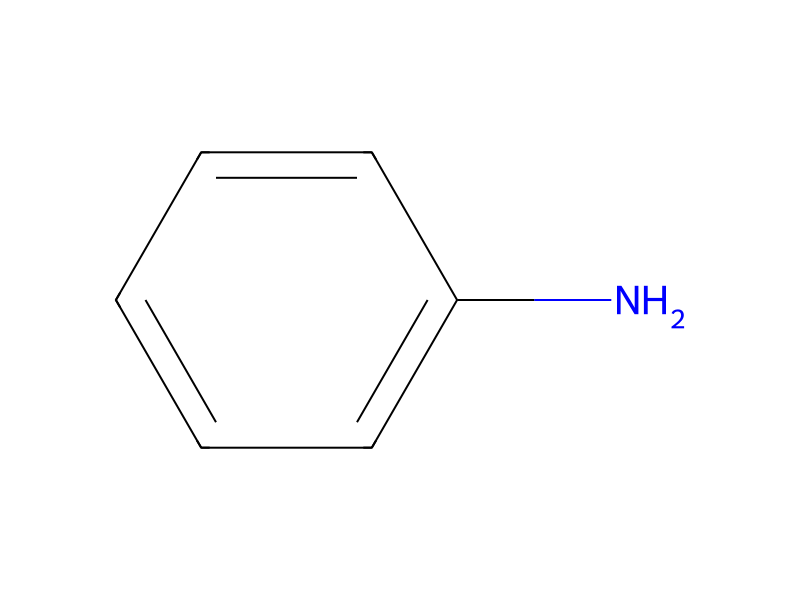
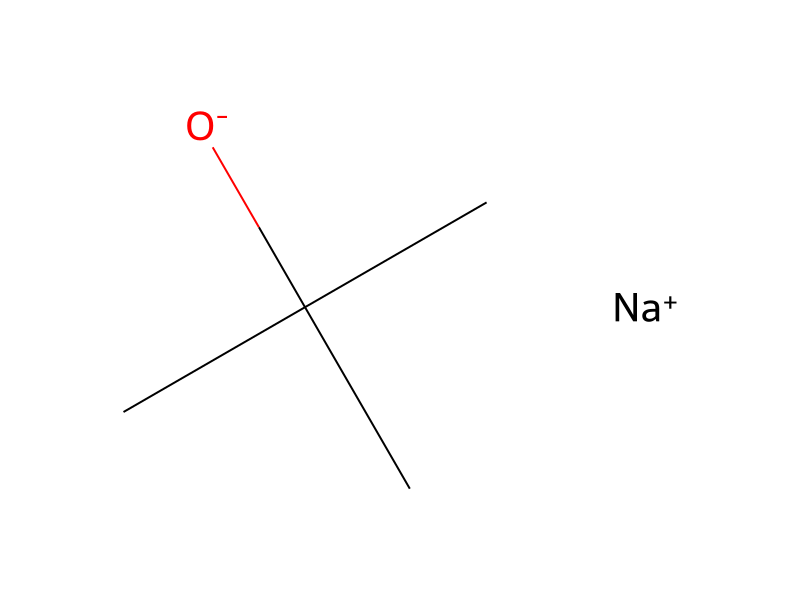
HCID 6115AnilineHCID 7237O-XyleneHCID 189426243-Bromo-9-phenylcarbazoleHCID 23676156Sodium t-butoxide

Product 1

HCID 59815954N,9-Diphenyl-9H-carbazol-3-amineYield 75%

Reagents, catalysts & solvents 3

HCID 6505921
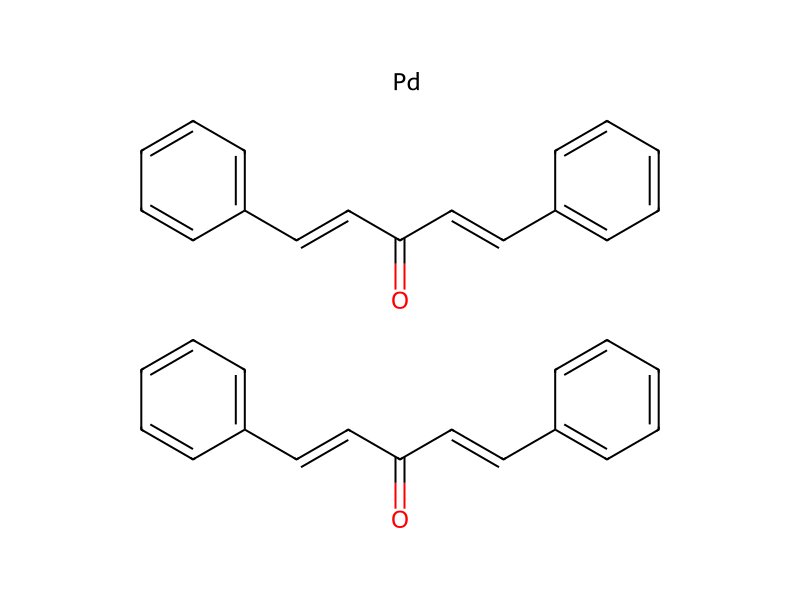
(1E,4E)-1,5-diphenylpenta-1,4-dien-3-one; palladium
Catalyst
HCID 152416121,1`-Bis(diphenylphosphino)ferroceneCatalyst
HCID 1140TolueneSolvent

Conditions

Temperature
90 °C

Procedure

Into a 500 mL three-neck flask were added 19 g (60 mmol) of 3-bromo-9-phenylcarbazole, 340 mg (0.6 mmol) of bis(dibenzylideneacetone)palladium (0), 1.6 g (3.0 mmol) of 1,1-bis(diphenylphosphino)ferrocene, and 13 g (180 mmol) of sodium tert-butoxide, and the atmosphere in the flask was substituted with nitrogen. Thereafter, 110 mL of dehydrated xylene and 7.0 g (75 mmol) of aniline were added to the mixture. This mixture was heated and stirred for 7.5 hours at 90° C. After the reaction was completed, about 500 mL of hot toluene was added to the solution, and this solution was filtered through Florisil, alumina, and celite. The obtained filtrate was concentrated, and hexane and ethyl acetate were added to the residue, which was followed by irradiation with ultrasound. A solid precipitated was collected by suction filtration and dried to give 15 g (75% yield) of N-phenyl-(9-phenyl-9H-carbazol-3-yl)amine (abbreviation: PCA) as cream colored powder. By a nuclear magnetic resonance measurement (NMR), it was confirmed that this compound was N-phenyl-(9-phenyl-9H-carbazol-3-yl)amine (abbreviation: PCA).

Workup

  1. temperatureThis mixture was heated
  2. filtrationthis solution was filtered through Florisil, alumina, and celite
  3. concentrationThe obtained filtrate was concentrated
  4. additionhexane and ethyl acetate were added to the residue, which
  5. customwas followed by irradiation with ultrasound
  6. customA solid precipitated
  7. filtrationwas collected by suction filtration
  8. customdried

Sources & evidence

ORD record
ord-01f4df72a6d64e79bae0f581ad973480
Source dataset
uspto-grants-2012_01
DOI
10.6084/m9.figshare.5104873.v1
Patent number
US08106392B2

Reaction notes

On this pageParticipantsConditionsProcedureWorkupSources & evidenceReaction notes