HomeMCPWorkbenchSkills
HomeWorkbenchNotificationsMe
llms.txt · MCP GuidePrivacy Policy · Terms of Service · Supportv1.8.3
  1. Home
  2. /Reaction

Water → 2-Chloro-3-(prop-2-yn-1-yloxy)pyridine

HRID 426650
Print

Reaction equation

HRID 426650 reaction equation
[Cl:1][C:2]1[C:7]([OH:8])=[CH:6][CH:5]=[CH:4][N:3]=1.[OH-].[K+].[CH2:11](Cl)[C:12]#[CH:13].O>CN(C=O)C.CCOCC>[Cl:1][C:2]1[C:7]([O:8][CH2:13][C:12]#[CH:11])=[CH:6][CH:5]=[CH:4][N:3]=1
ParticipantsConditionsProcedureWorkupSources & evidenceReaction notes

Participants

7

Reactant 4

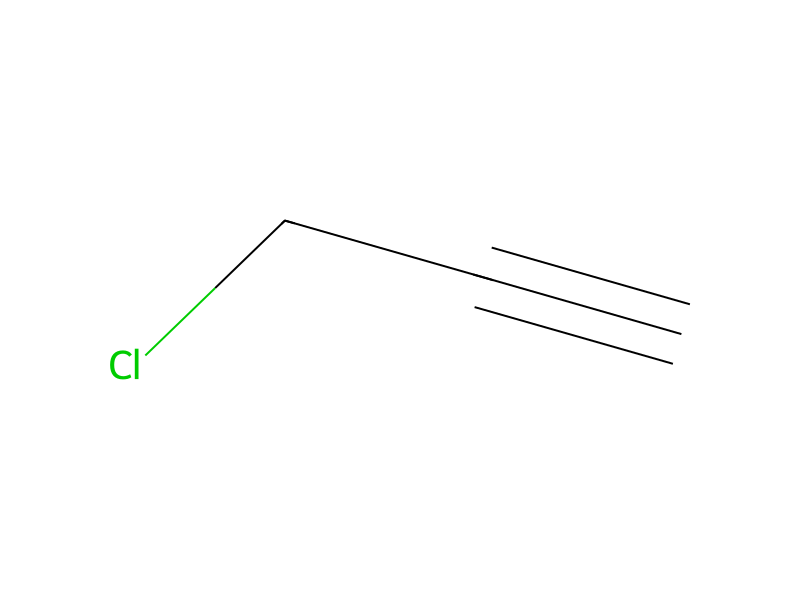
HCID 962WaterHCID 122213-Chloro-1-propyneHCID 14797Potassium HydroxideHCID 811362-Chloro-3-pyridinol

Product 1

HCID 233434882-Chloro-3-(prop-2-yn-1-yloxy)pyridineYield 52.2%

Reagents, catalysts & solvents 2

HCID 3283
Diethyl Ether
Solvent
HCID 6228DimethylformamideSolvent

Conditions

Temperature
15 °C

Procedure

To a solution of 15.6 g (0.12 mole) 2-chloro-3-pyridinol in 200 ml DMF were added 6.7 g (0.12 mole) powdered potassium hydroxide. After cooling to 15° C., 9.0 g (0.12 mole) propargyl chloride was added dropwise. This mixture was stirred at room temperature for 2 hrs., then 200 ml water and 400 ml ether were added. After agitating, the organic layer was separated, dried over anhydrous magnesium sulfate, filtered and concentrated to leave 16.0 g crude product. Recrystallization from hexane gave 10.5 g pure 2-chloro-3-(2-propynyloxy)pyridine, mp 78°-79°.


Workup

  1. stirringAfter agitating
  2. customthe organic layer was separated
  3. dry with materialdried over anhydrous magnesium sulfate
  4. filtrationfiltered
  5. concentrationconcentrated
  6. customto leave 16.0 g crude product
  7. customRecrystallization from hexane

Sources & evidence

ORD record
ord-b3d14f875f794f53a31028241a2244ba
Source dataset
uspto-grants-1979_10
DOI
10.6084/m9.figshare.5104873.v1
Patent number
US04170704

Reaction notes

On this pageParticipantsConditionsProcedureWorkupSources & evidenceReaction notes