Reaction equation

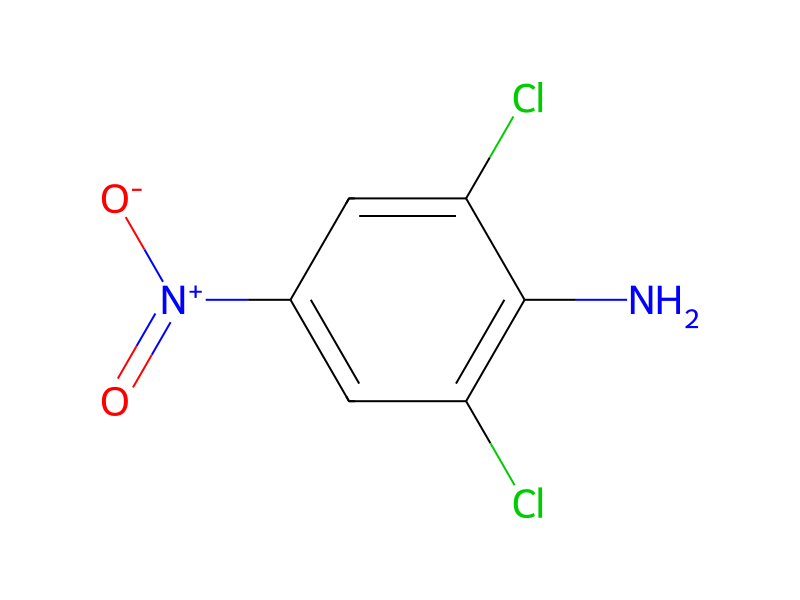
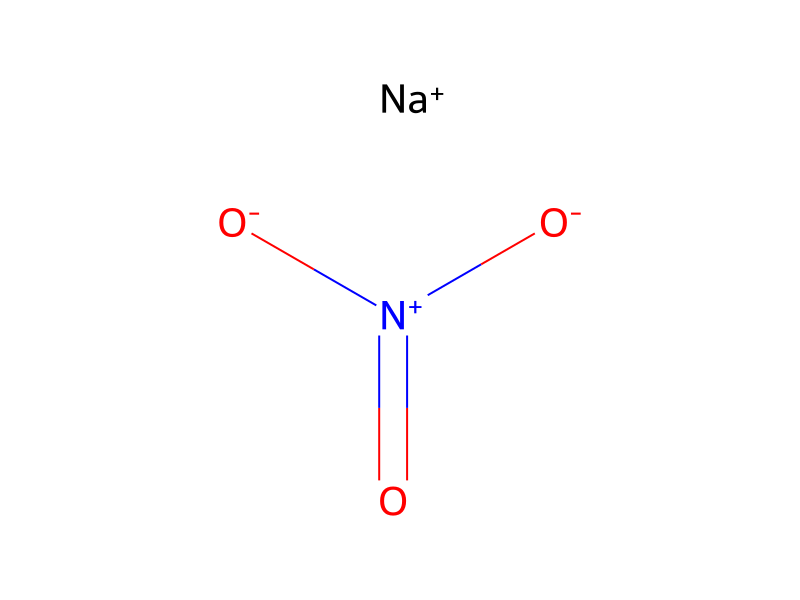
[Cl:1][C:2]1[CH:8]=[C:7]([N+:9]([O-:11])=[O:10])[CH:6]=[C:5]([Cl:12])[C:3]=1N.C(O)C.[N+]([O-])([O-])=O.[Na+].S(=O)(=O)(O)O>O>[Cl:1][C:2]1[CH:8]=[C:7]([N+:9]([O-:11])=[O:10])[CH:6]=[C:5]([Cl:12])[CH:3]=1Participants
6
Reactant 4


Product 1

Reagents, catalysts & solvents 1

Procedure
An article in Journal of the American Chemical Society, 72 (1950), 798, discloses that 2,6-dichloro-4-nitroaniline, ethanol and sodium nitrate can be reacted at the boil, in the absence of water and in the presence of concentrated sulfuric acid, to give an 84% yield of 3,5-dichloronitrobenzene. A corresponding reaction to form the 3,5-dibromonitrobenzene proceeds with a yield of 91%. The process is unsatisfactory in respect of the yield and purity of the end product and in respect of simple, reliable and economical operation, particularly on an industrial scale.
Sources & evidence
- ORD record
- ord-65ff04a079b54b56a28b1ea15f90fd05
- Source dataset
- uspto-grants-1979_10
- Patent number
- US04172098
Linked notes
Loading…