HomeMCPWorkbenchSkills
HomeWorkbenchNotificationsMe
llms.txt · MCP GuidePrivacy Policy · Terms of Service · Supportv1.8.0
  1. Home
  2. /Reaction

Hydrochloric Acid → methyl 2-methoxy-5-(4H-triazol-4-yl)benzoate

HRID 429490
Notes
Print preview

Reaction equation

HRID 429490 reaction equation
CO[C:3]1[CH:12]=[CH:11][C:10]([NH2:13])=C[C:4]=1[C:5]([O:7][CH3:8])=O.CN(C)/C=[N:17]/[N:18]=C/N(C)C.[C:24]1(C)C=CC(S(O)(=O)=O)=CC=1.Cl.[C:36]([O:39][CH2:40]C)(=[O:38])[CH3:37].ClCCl>C1(C)C=CC=CC=1.CO.ClCCl>[CH3:8][O:7][C:5]1[CH:4]=[CH:3][C:12]([CH:11]2[CH:10]=[N:13][N:18]=[N:17]2)=[CH:24][C:37]=1[C:36]([O:39][CH3:40])=[O:38]
ParticipantsProcedureWorkupSources & evidenceReaction notes

Participants

8

Reactant 5

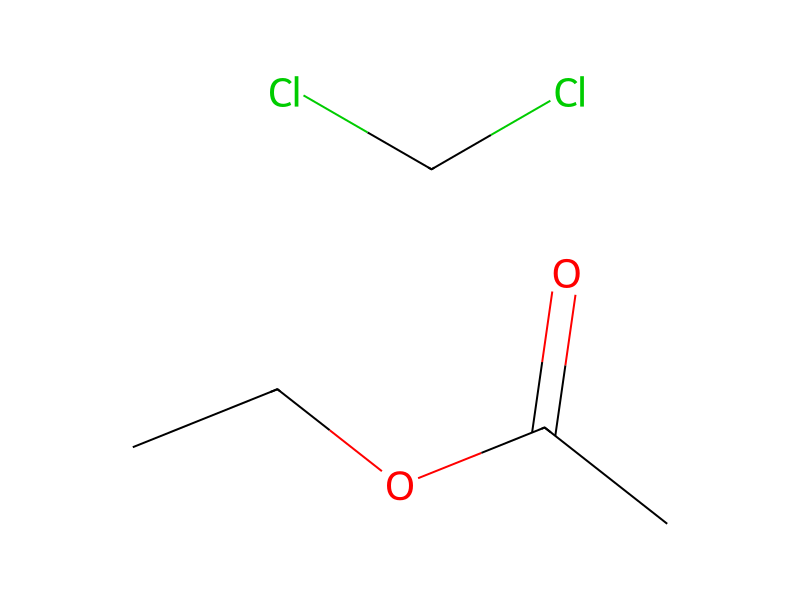
HCID 313Hydrochloric AcidHCID 6101p-Toluenesulfonic acidHCID 89843Methyl 5-amino-o-anisateHCID 9613942N'-((Dimethylamino)methylene)-N,N-dimethylformohydrazonamideHCID 21226138Dichloromethane ethylacetate

Product 1

HCID 18464913methyl 2-methoxy-5-(4H-triazol-4-yl)benzoate

Reagents, catalysts & solvents 2

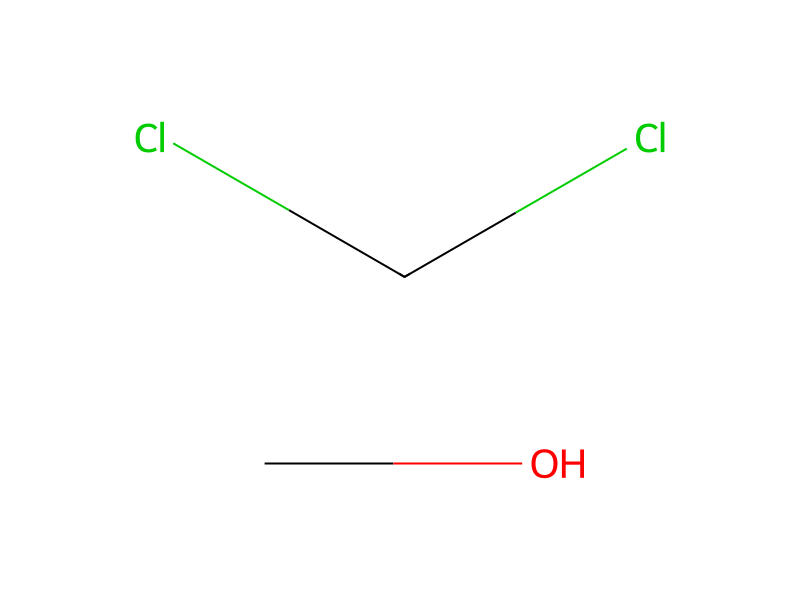
HCID 1140TolueneSolventHCID 21226129Dichloromethane methanolSolvent

Procedure

According to the method of J. Chem. Soc. (C), 1664 (1967), combine methyl 2-methoxy-5-aminobenzoate (2.0 g, 11 mmol), N,N-dimethylformamide azine (1.56 g, 11 mmol), p-toluenesulfonic acid (190 mg) in toluene (25 mL). Fit the reaction vessel with a gas inlet such that the head space of the vessel is swept with argon and scrub the effluent through dilute aqueous hydrochloric acid solution. Heat to reflux. After 20 hours, concentrate the reaction mixture in vacuo to give a residue. Partition the residue between dichloromethane and a saturated aqueous sodium bicarbonate solution. Extract the aqueous layer twice with dichloromethane. Combine the organic layers, dry over MgSO4, filter, and evaporate in vacuo to give a residue. Chromatograph the residue on silica gel eluting sequentially with 70% ethyl acetate/dichloromethane and then 5% methanol/dichloromethane to give a residue. Recrystallize the residue form ethyl acetate/hexane to give methyl 2-methoxy-5-(4H-triazol-4-yl)benzoate: mp; 191-195.5° C. Alternately, according to the method of J. Med. Chem., 21, 1100 (1978), combine methyl 2-methoxy-5-aminobenzoate (1.8 g, 10 mmol), diformyl hydrazine (0.97 g, 11 mmol), and phosphorous pentoxide (1.84 g, 13 mmol). Heat to 160° C. After 1.5 hours, cool the reaction mixture and add a saturated aqueous solution of sodium bicarbonate. Extract three times with dichloromethane. Dry the combined organic layers over MgSO4, filter, and evaporate in vacuo to give a residue. Chromatograph the residue on silica gel eluting sequentially with 40% ethyl acetate/dichloromethane and then 5% methanol/dichloromethane to give methyl 2-methoxy-5-(4H-triazol-4-yl)benzoate: mp; 179-182° C.


Workup

  1. customFit the reaction vessel with a gas inlet such that the head space of the vessel is swept with argon
  2. temperatureHeat to reflux
  3. concentrationconcentrate the reaction mixture in vacuo
  4. customto give a residue
  5. customPartition the residue between dichloromethane
  6. extractionExtract the aqueous layer twice with dichloromethane
  7. dry with materialdry over MgSO4
  8. filtrationfilter
  9. customevaporate in vacuo
  10. customto give a residue
  11. customRecrystallize the residue form ethyl acetate/hexane

Sources & evidence

ORD record
ord-88e1af45c1c941e58295f955a63e6f26
Source dataset
uspto-grants-2001_11
DOI
10.6084/m9.figshare.5104873.v1
Patent number
US06316445B1

Reaction notes

Loading…

On this pageParticipantsProcedureWorkupSources & evidenceReaction notes