Reaction equation
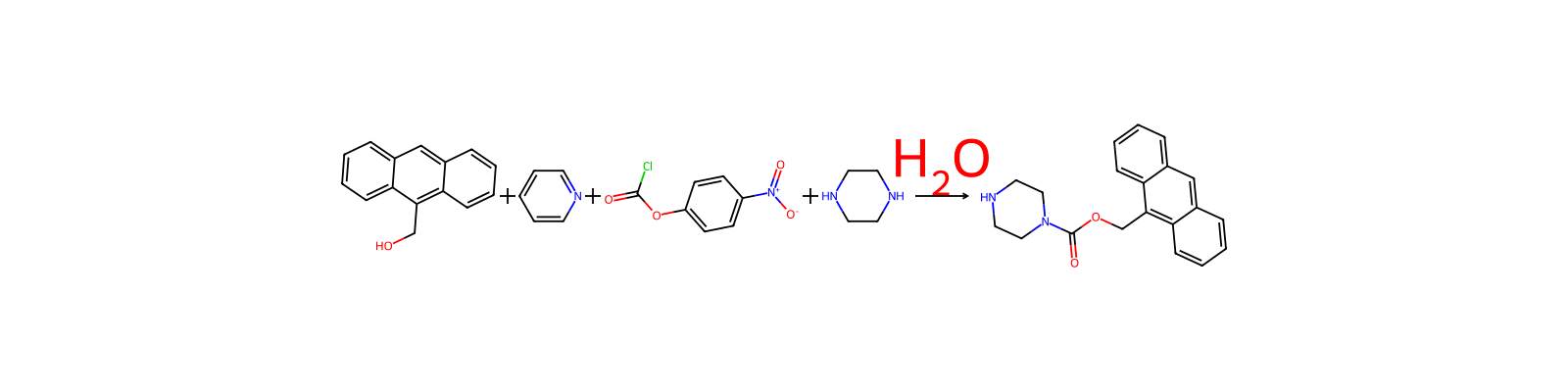
[CH:1]1[C:14]2[C:5](=[CH:6][C:7]3[C:12]([C:13]=2[CH2:15][OH:16])=[CH:11][CH:10]=[CH:9][CH:8]=3)[CH:4]=[CH:3][CH:2]=1.N1C=CC=CC=1.Cl[C:24](OC1C=CC([N+]([O-])=O)=CC=1)=[O:25].[NH:36]1[CH2:41][CH2:40][NH:39][CH2:38][CH2:37]1>O>[CH:11]1[C:12]2[C:7](=[CH:6][C:5]3[C:14]([C:13]=2[CH2:15][O:16][C:24]([N:36]2[CH2:41][CH2:40][NH:39][CH2:38][CH2:37]2)=[O:25])=[CH:1][CH:2]=[CH:3][CH:4]=3)[CH:8]=[CH:9][CH:10]=1Participants
6
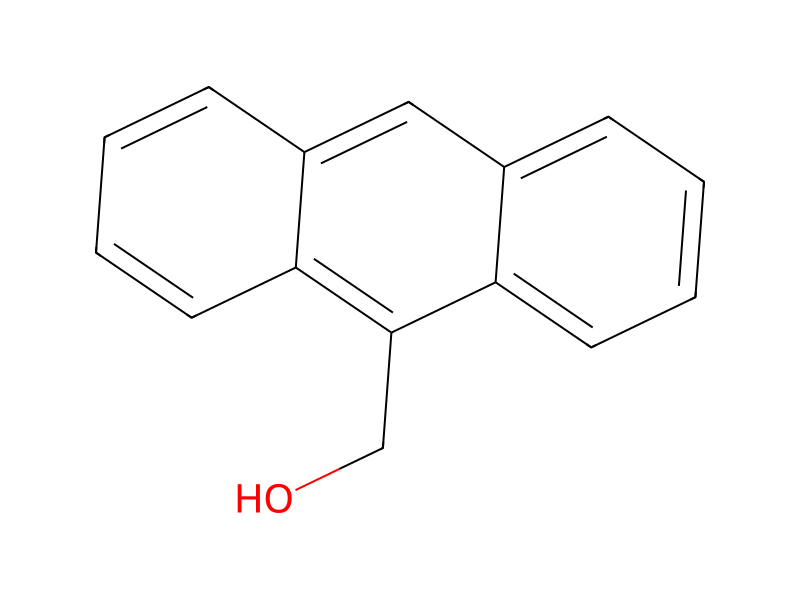
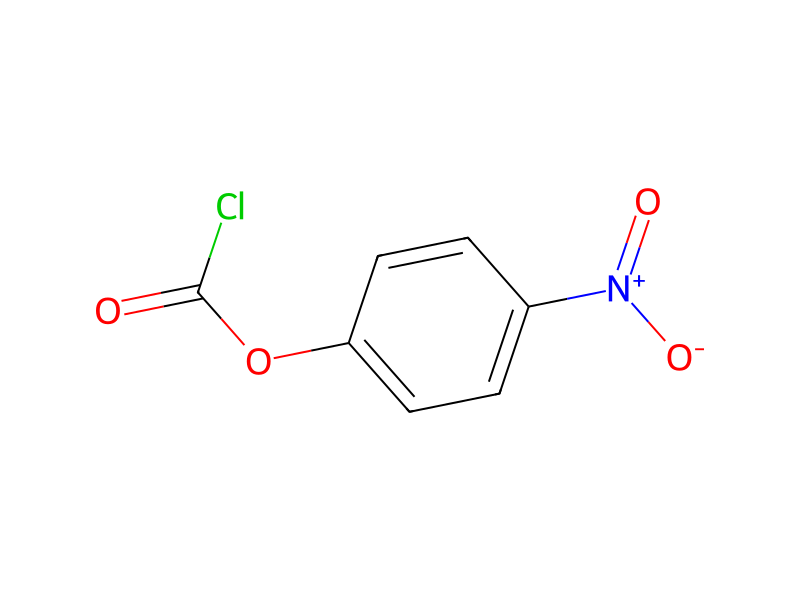
Reactant 4


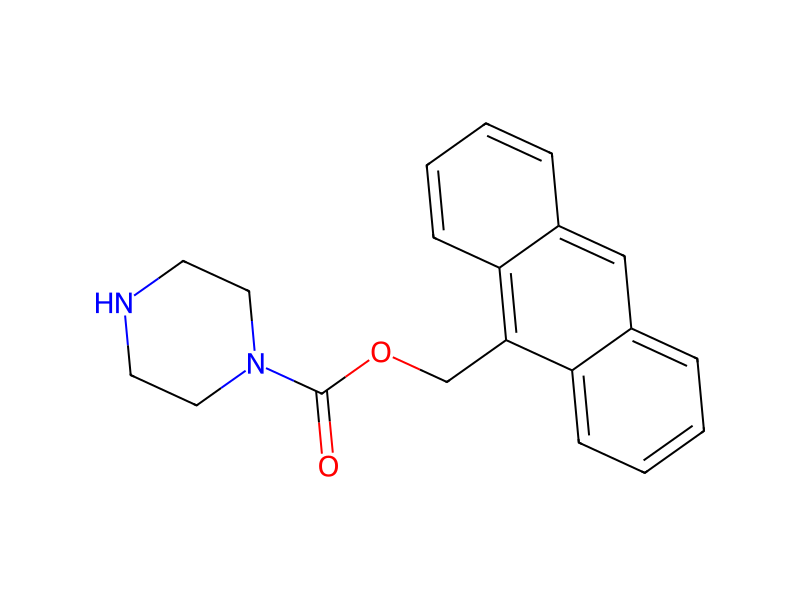
Product 1
Reagents, catalysts & solvents 1

Procedure
PAC is produced by adding 9-anthacenemethanol and pyridine to a solution of p-nitrophenyl chloroformate. Product is isolated to provide a crude anthrylmethyl p-nitrophenyl carbonate, which is then added to a solution of piperazine. The reacted mixture is poured into water and extracted with a solvent, preferably an organic solvent such as toluene. The product is washed and dried to provide 9-anthracenylmethyl-1-piperazinecarboxylate (PAC).
Workup
- customProduct is isolated
- customto provide a crude anthrylmethyl p-nitrophenyl carbonate, which
- extractionextracted with a solvent
- washThe product is washed
- customdried
Sources & evidence
- ORD record
- ord-93be286c94a04903a525ad5c7e904ac7
- Source dataset
- uspto-grants-2003_12
- Patent number
- US06656737B1
Linked notes
Loading…