HomeMCPSkillsWorkbenchOpenChem
HomeWorkbenchNotificationsMe
llms.txt · skill.md · MCP GuidePrivacy Policy · Terms of Service · Supportv1.8.4
  1. Home
  2. /Reaction

Hydrochloric Acid → 10-Chloro-10,11-dihydro-2-dimethylsulphamoyl-dibenzo[b,f]thiepin

HRID 435710
Print

Reaction equation

[ClH:1].[CH3:2][N:3]([CH3:23])[S:4]([C:7]1[CH:22]=[CH:21][C:10]2[S:11][C:12]3[CH:20]=[CH:19][CH:18]=[CH:17][C:13]=3[CH:14](O)[CH2:15][C:9]=2[CH:8]=1)(=[O:6])=[O:5].[Cl-].[Ca+2].[Cl-]>C1C=CC=CC=1>[Cl:1][CH:14]1[C:13]2[CH:17]=[CH:18][CH:19]=[CH:20][C:12]=2[S:11][C:10]2[CH:21]=[CH:22][C:7]([S:4](=[O:6])(=[O:5])[N:3]([CH3:23])[CH3:2])=[CH:8][C:9]=2[CH2:15]1
ParticipantsProcedureWorkupSources & evidenceReaction notes

Participants

5

Reactant 3

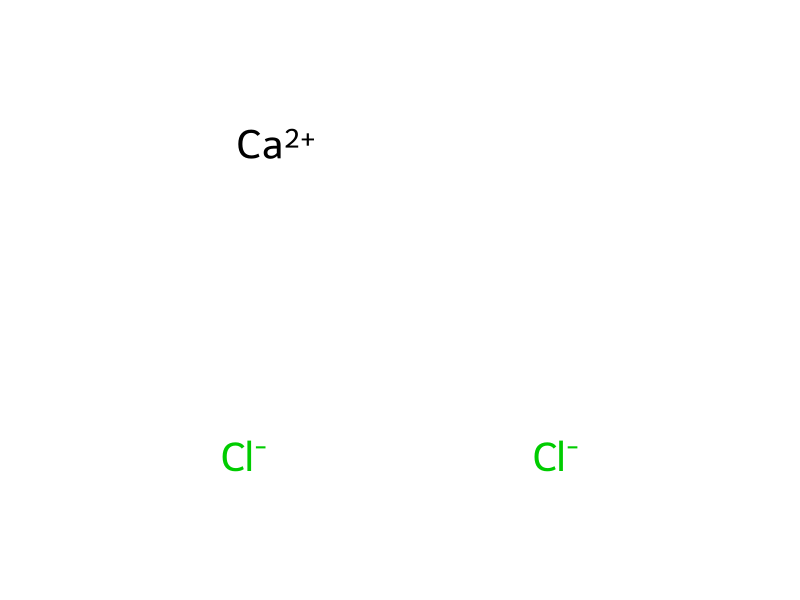
HCID 313Hydrochloric Acid2×HCID 5284359Calcium ChlorideHCID 1222397210,11-Dihydro-2-dimethylsulphamoyl-dibenzo[b,f]thiepin-10-ol

Product 1

HCID 1561900510-Chloro-10,11-dihydro-2-dimethylsulphamoyl-dibenzo[b,f]thiepin

Reagents, catalysts & solvents 1

HCID 241BenzeneSolvent

Procedure

Hydrochloric acid gas is introduced at 10° C for 2 hours into a mixture of 12 g of 10,11-dihydro-2-dimethylsulphamoyl-dibenzo[b,f]thiepin-10-ol, 250 ml of benzene and 20 g of calcium chloride. The mixture is then left to stand at room temperature for 20 hours. The excess hydrochloric acid is driven off by the introduction of nitrogen. The mixture is filtered and evaporated under reduced pressure. 10-chloro-10,11-dihydro-2-dimethylsulphamoyl-dibenzo[b,f]thiepin is obtained.

Workup

  1. waitThe mixture is then left
  2. filtrationThe mixture is filtered
  3. customevaporated under reduced pressure

Sources & evidence

ORD record
ord-1f2976d636744faea383972a42856228
Source dataset
uspto-grants-1977_02
DOI
10.6084/m9.figshare.5104873.v1
Patent number
US04006144

Reaction notes

On this pageParticipantsProcedureWorkupSources & evidenceReaction notes