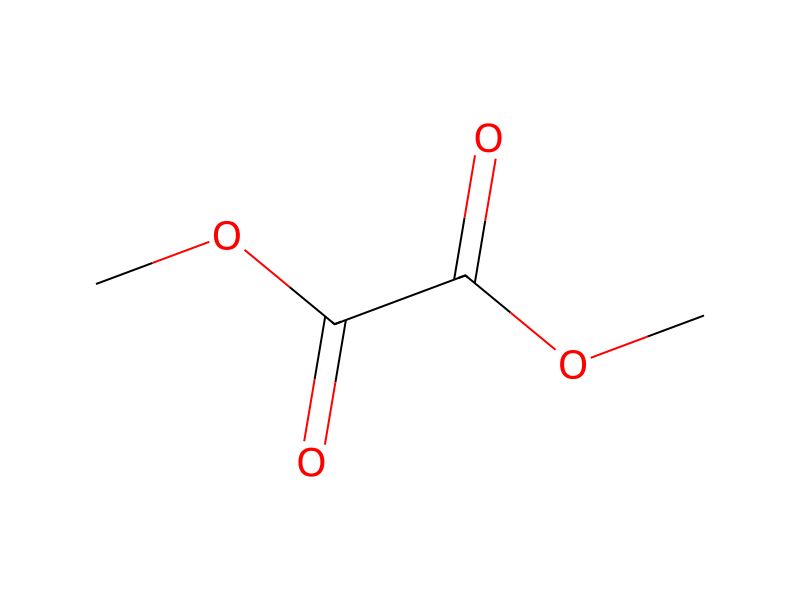
[F:1][C:2]1[CH:7]=[CH:6][C:5]([N:8]2[C:13]3[N:14]=[CH:15][CH:16]=[CH:17][C:12]=3[CH2:11][NH:10][C:9]2=[O:18])=[CH:4][CH:3]=1.[H-].[Na+].[H][H].[C:23](OC)(=O)C(OC)=O>O.CN(C)C=O>[F:1][C:2]1[CH:3]=[CH:4][C:5]([N:8]2[C:13]3[N:14]=[CH:15][CH:16]=[CH:17][C:12]=3[CH2:11][N:10]([CH3:23])[C:9]2=[O:18])=[CH:6][CH:7]=1To a solution of 2.4 g of 1-(p-fluorophenyl)-2-oxo-1,2,3,4-tetrahydropyrido[2,3-d]pyrimidine and 15 ml of dimethylformamide was added 0.5 g of approximately 50% sodium hydride, and the mixture was allowed to stand until the evolution of hydrogen ceased. To this was further added 5.9 g of dimethyl oxalate and the resulting mixture was heated at 170° C in a sealed-tube for 12 hours. After the reaction was complete, the solvent was removed from the reaction mixture by distillation under reduced pressure. The residue thus obtained was diluted with water, extracted with ether and dehydrated. The ether solution was concentrated and left to give 1.6 g of 1-(p-fluorophenyl)-3-methyl-2-oxo-1,2,3,4-tetrahydropyrido[2,3-d]pyrimidine as colorless needles, melting at 212° - 213° C.