HomeMCPWorkbenchSkills
HomeWorkbenchNotificationsMe
llms.txt · MCP GuidePrivacy Policy · Terms of Service · Supportv1.8.1
  1. Home
  2. /Reaction

Glycine → 2,3-Dihydroxyquinoxaline

HRID 439415
Print

Reaction equation

HRID 439415 reaction equation
NCC(O)=O.[C:6]([O:13]CC)(=O)[C:7]([O:9]CC)=O.[NH2:16][C:17]1[CH:22]=[CH:21][CH:20]=[CH:19][C:18]=1[NH2:23].C(O)(=O)C(O)=O.OS(O)(=O)=O.OP(O)(O)=O>Cl>[NH:16]1[C:17]2[C:18](=[CH:19][CH:20]=[CH:21][CH:22]=2)[NH:23][C:6](=[O:13])[C:7]1=[O:9]
ParticipantsProcedureWorkupSources & evidenceReaction notes

Participants

8

Reactant 6

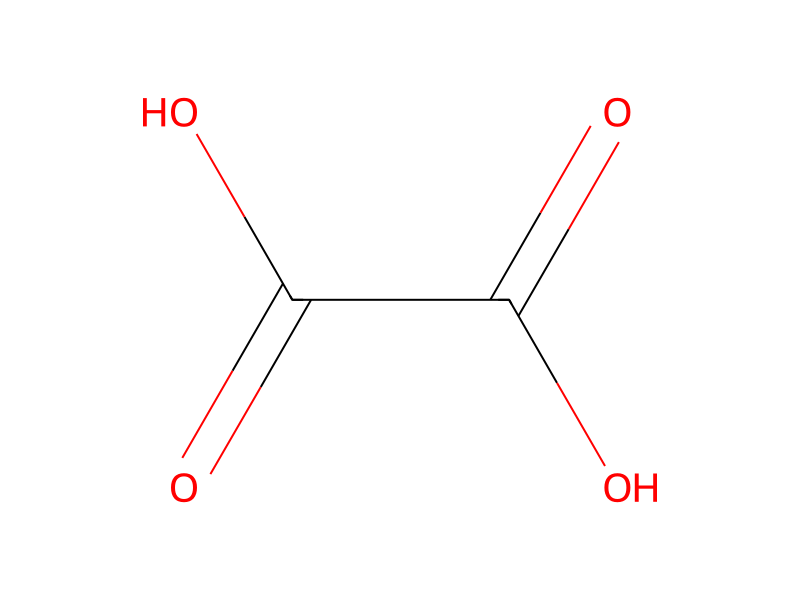
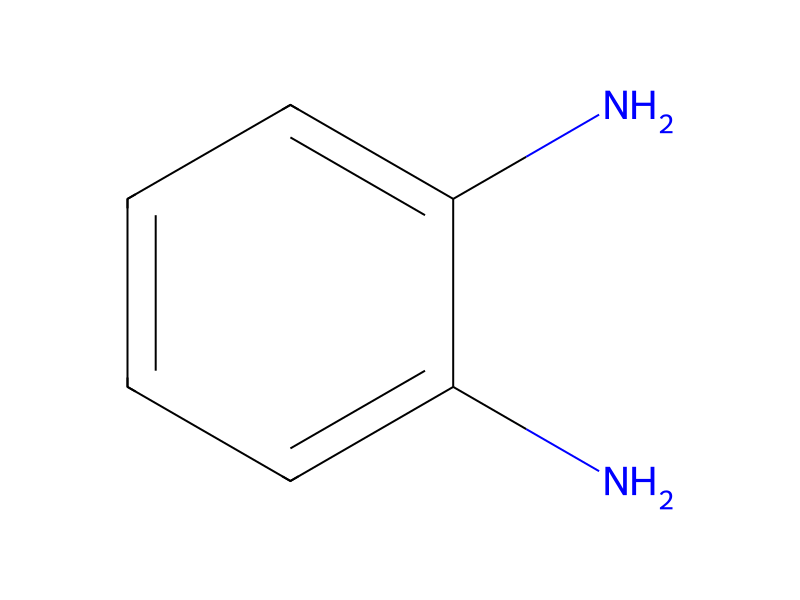
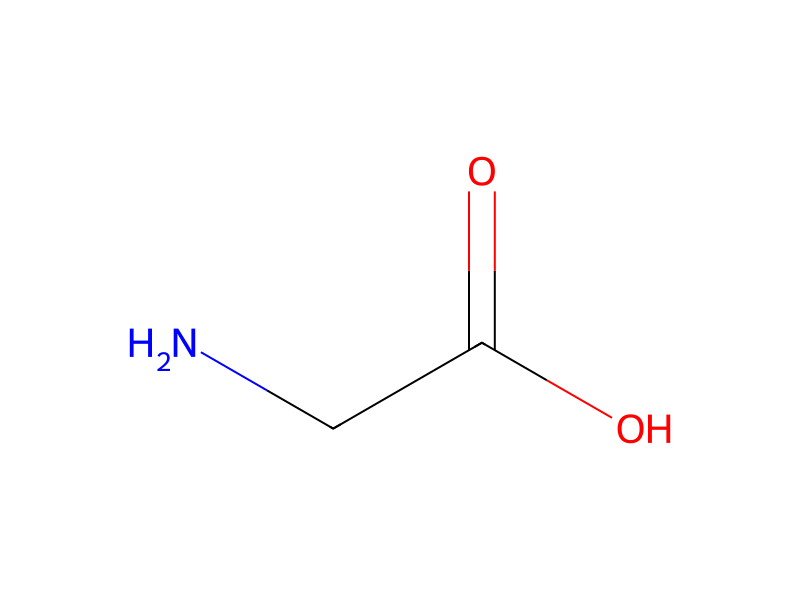
HCID 750GlycineHCID 971Oxalic Acid2×HCID 1004Phosphoric AcidHCID 1118Sulfuric AcidHCID 7243O-PhenylenediamineHCID 7268Diethyl Oxalate

Product 1

HCID 27491
2,3-Dihydroxyquinoxaline

Reagents, catalysts & solvents 1

HCID 313Hydrochloric AcidSolvent2×

Procedure

The compounds synthesized for testing as potential glycine antagonists which are not substituted on the amide (1 or 4) position are summarized below (Table I). Most were available by simple condensation of diethyl oxalate with the corresponding diaminobenzene according to Cheeseman, G. W. H., J. Chem. Soc. 1171 (1962). The 1,4-dihydro-2,3-quinoxalinediones may be easily prepared in high yield by heating oxalic acid and the corresponding o-diamine to about 100° to 140° C. for 1 to 10 hr. in the presence of a strong mineral acid such as HCl, H2SO4, H3PO4 and the like. See, Mager and Berends, Rec. Trav. Chim. 77:842 (1958). In a preferred embodiment, oxalic acid and the o-diamine are heated to 125° C. in 2N HCl for 2.5 hours to give the corresponding 1,4-dihydro-2,3-quinoxalinedione in high yield.

Workup

  1. customin high yield

Sources & evidence

ORD record
ord-8fb154ed4043421580e163b213180e6f
Source dataset
uspto-grants-1996_05
DOI
10.6084/m9.figshare.5104873.v1
Patent number
US05514680

Reaction notes

On this pageParticipantsProcedureWorkupSources & evidenceReaction notes