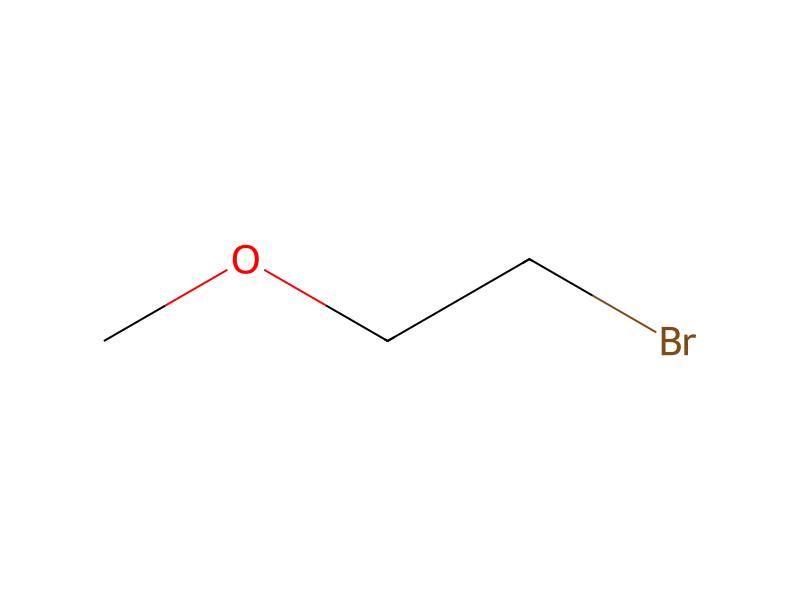
[CH2:1]([O:8][C:9]1[CH:18]=[C:17]2[C:12]([CH2:13][CH2:14][NH:15][CH:16]2[C:19]2([C:22]3[CH:27]=[CH:26][CH:25]=[CH:24][C:23]=3[Cl:28])[CH2:21][CH2:20]2)=[CH:11][C:10]=1[O:29][CH3:30])[C:2]1[CH:7]=[CH:6][CH:5]=[CH:4][CH:3]=1.C(=O)([O-])[O-].[K+].[K+].[CH3:37][O:38][CH2:39][CH2:40]Br>CC(C)=O>[CH2:1]([O:8][C:9]1[CH:18]=[C:17]2[C:12]([CH2:13][CH2:14][N:15]([CH2:40][CH2:39][O:38][CH3:37])[CH:16]2[C:19]2([C:22]3[CH:27]=[CH:26][CH:25]=[CH:24][C:23]=3[Cl:28])[CH2:20][CH2:21]2)=[CH:11][C:10]=1[O:29][CH3:30])[C:2]1[CH:7]=[CH:6][CH:5]=[CH:4][CH:3]=1A mixture of 7-benzyloxy-1-[1-(2-chlorophenyl)cyclopropyl]-6-methoxy-1,2,3,4-tetrahydroisoquinoline (2.1 g, free base liberated from the hydrobromide salt prepared in a similar manner to that described in Example RC14), acetone (30 ml), anhydrous potassium carbonate (1.6 g) and 2-methoxyethyl bromide (2.1 g) was heated under reflux for 6 hours. After a further 16 hours at ambient temperature, potassium carbonate (3 g) and 2-methoxyethyl bromide (2.22 g) were added, and heating continued for 6 hours. The mixture was filtered, the residue washed with acetone, and solvent removed from the filtrate in vacuo to yield 7-benzyloxy-1-[1-(2-chlorophenyl)cyclopropyl]-6-methoxy-2-(2-methoxyethyl)-1,2,3,4-tetrahydroisoquinoline as an oil.