HomeMCPWorkbenchSkills
HomeWorkbenchNotificationsMe
llms.txt · MCP GuidePrivacy Policy · Terms of Service · Supportv1.8.3
  1. Home
  2. /Reaction

Hydrochloric Acid → [4-[(3-Bromophenoxy)methyl]phenyl]boronic acid

HRID 445116
Print

Reaction equation

HRID 445116 reaction equation
[Br:1][C:2]1[CH:3]=[C:4]([OH:8])[CH:5]=[CH:6][CH:7]=1.C(=O)([O-])[O-].[K+].[K+].Br[CH2:16][C:17]1[CH:22]=[CH:21][C:20]([B:23]([OH:25])[OH:24])=[CH:19][CH:18]=1.Cl>CC(C)=O.[I-].[K+].O>[Br:1][C:2]1[CH:3]=[C:4]([CH:5]=[CH:6][CH:7]=1)[O:8][CH2:16][C:17]1[CH:22]=[CH:21][C:20]([B:23]([OH:25])[OH:24])=[CH:19][CH:18]=1
ParticipantsProcedureWorkupSources & evidenceReaction notes

Participants

8

Reactant 4

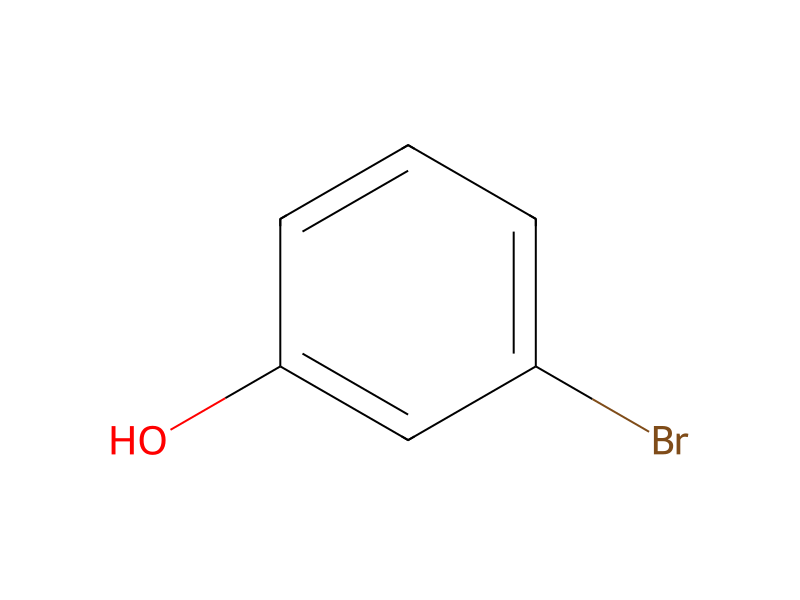
HCID 313Hydrochloric AcidHCID 11430Potassium CarbonateHCID 115633-BromophenolHCID 27355934-(Bromomethyl)phenylboronic acid

Product 1

HCID 67975234[4-[(3-Bromophenoxy)methyl]phenyl]boronic acidYield 50.8%

Reagents, catalysts & solvents 3

HCID 4875
Potassium Iodide
Catalyst
HCID 180AcetoneSolvent
HCID 962WaterSolvent

Procedure

3-bromophenol (0.50 g) was dissolved in acetone, and to the resultant solution, potassium carbonate (1.49 g), potassium iodide (14 mg), and 4-bromomethylphenyl boronic acid (0.62 g) were added, followed by heating the resultant reaction mixture under reflux for 3 hours. The reaction mixture was left to be cooled down, and to the reaction mixture, water was added, and a 2M hydrochloric acid was added to adjust pH of the reaction mixture to 2 to 3, followed by extracting the reaction mixture with ethyl acetate. The organic phase was washed with saturated saline and was dried over anhydrous sodium sulfate. From the organic phase, the solvent was distilled off under reduced pressure, and the resultant residue was purified by silica gel column chromatography to obtain the subject compound (0.45 g) as a colorless solid.

Workup

  1. temperatureby heating the resultant
  2. customreaction mixture
  3. temperatureunder reflux for 3 hours
  4. waitThe reaction mixture was left
  5. temperatureto be cooled down
  6. extractionby extracting the reaction mixture with ethyl acetate
  7. washThe organic phase was washed with saturated saline
  8. dry with materialwas dried over anhydrous sodium sulfate
  9. distillationFrom the organic phase, the solvent was distilled off under reduced pressure
  10. customthe resultant residue was purified by silica gel column chromatography

Sources & evidence

ORD record
ord-863fe1b89fa74fa7a3f641d3e8940456
Source dataset
uspto-grants-2013_07
DOI
10.6084/m9.figshare.5104873.v1
Patent number
US08476287B2

Reaction notes

On this pageParticipantsProcedureWorkupSources & evidenceReaction notes