HomeMCPSkillsWorkbenchOpenChem
HomeWorkbenchNotificationsMe
llms.txt · skill.md · MCP GuidePrivacy Policy · Terms of Service · Supportv1.8.5
  1. Home
  2. /Reaction

Hydrochloric Acid → 5-Bromo-2-methylsulfanylbenzaldehyde

HRID 447814
Print

Reaction equation

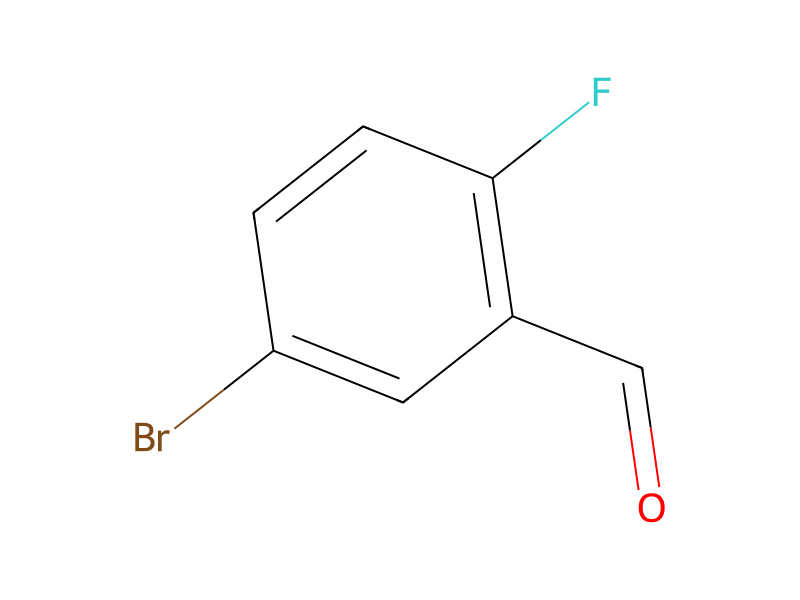
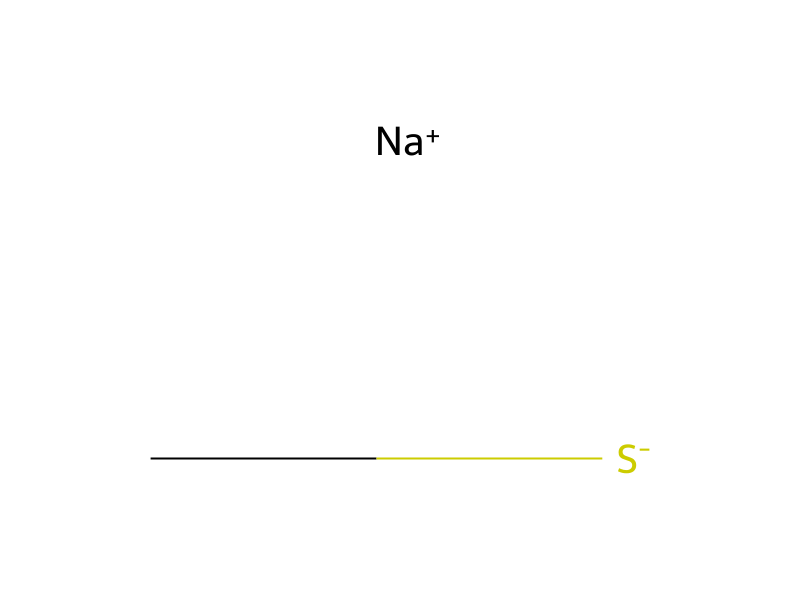
[Br:1][C:2]1[CH:3]=[CH:4][C:5](F)=[C:6]([CH:9]=1)[CH:7]=[O:8].[CH3:11][S-:12].[Na+].Cl>CN(C)C=O>[Br:1][C:2]1[CH:3]=[CH:4][C:5]([S:12][CH3:11])=[C:6]([CH:9]=1)[CH:7]=[O:8]
ParticipantsProcedureWorkupSources & evidenceReaction notes

Participants

5

Reactant 3

HCID 313Hydrochloric AcidHCID 7363275-Bromo-2-fluorobenzaldehydeHCID 4378561Sodium methanethiolate

Product 1

HCID 167338615-Bromo-2-methylsulfanylbenzaldehydeYield 63.3%

Reagents, catalysts & solvents 1

HCID 6228DimethylformamideSolvent

Procedure

(Step 1) 5-Bromo-2-fluorobenzaldehyde (15.4 g) and sodium methanethiolate (5.85 g) were stirred in N,N-dimethylformamide (30 ml) at 60° C. for 30 min. The reaction solution was treated with 1N hydrochloric acid, and extracted with ethyl acetate. The extract was washed successively with aqueous sodium hydrogen carbonate solution and saturated brine, and dried over magnesium sulfate. The solvent was evaporated under reduced pressure. The residue was crystallized from ethyl acetate-hexane to give 5-bromo-2-(methylsulfanyl)benzaldehyde (11.1 g).


Workup

  1. extractionextracted with ethyl acetate
  2. washThe extract was washed successively with aqueous sodium hydrogen carbonate solution and saturated brine
  3. dry with materialdried over magnesium sulfate
  4. customThe solvent was evaporated under reduced pressure
  5. customThe residue was crystallized from ethyl acetate-hexane

Sources & evidence

ORD record
ord-67bf677f4d5b4dfbb67bf851a71336f4
Source dataset
uspto-grants-2013_07
DOI
10.6084/m9.figshare.5104873.v1
Patent number
US08481569B2

Reaction notes

On this pageParticipantsProcedureWorkupSources & evidenceReaction notes