HomeMCPWorkbenchSkills
HomeWorkbenchNotificationsMe
llms.txt · MCP GuidePrivacy Policy · Terms of Service · Supportv1.8.3
  1. Home
  2. /Reaction

Benzyl Bromide → 4-(Benzyloxy)-3-methylbenzaldehyde

HRID 460017
Print

Reaction equation

HRID 460017 reaction equation
[OH:1][C:2]1[CH:9]=[CH:8][C:5]([CH:6]=[O:7])=[CH:4][C:3]=1[CH3:10].[CH2:11](Br)[C:12]1[CH:17]=[CH:16][CH:15]=[CH:14][CH:13]=1.C(=O)([O-])[O-].[K+].[K+]>CC(C)=O>[CH2:11]([O:1][C:2]1[CH:9]=[CH:8][C:5]([CH:6]=[O:7])=[CH:4][C:3]=1[CH3:10])[C:12]1[CH:17]=[CH:16][CH:15]=[CH:14][CH:13]=1
ParticipantsProcedureWorkupSources & evidenceReaction notes

Participants

5

Reactant 3

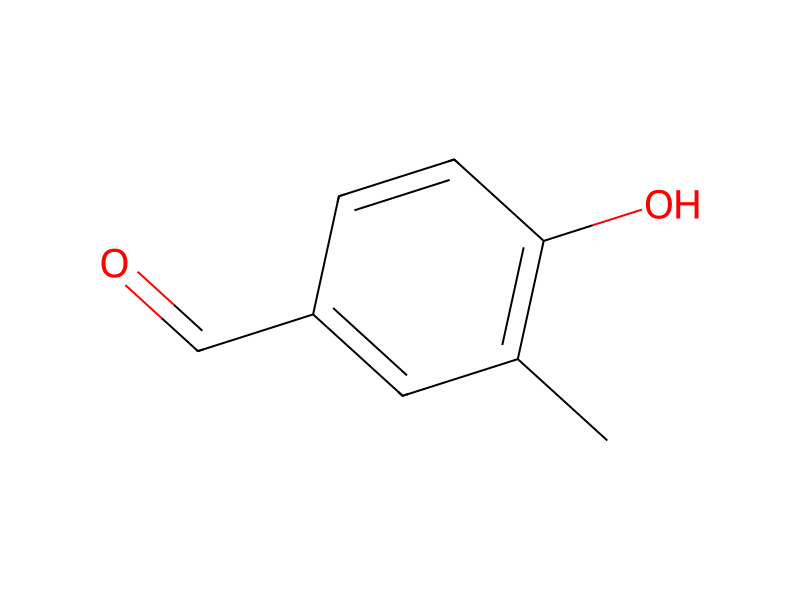
HCID 7498Benzyl BromideHCID 11430Potassium CarbonateHCID 1399014-Hydroxy-3-methylbenzaldehyde

Product 1

HCID 202986464-(Benzyloxy)-3-methylbenzaldehyde

Reagents, catalysts & solvents 1

HCID 180AcetoneSolvent

Procedure

A mixture of 4-hydroxy-3-methylbenzaldehyde (0.658 g), benzyl bromide (0.812 g) and potassium carbonate (1.0 g) in acetone (30 ml) was stirred and heated under reflux for 6 hours. The solvent was removed and the residues were partitioned between water and ethyl acetate. The aqueous phase was further extracted with ethyl acetate and the combined organic layers were washed with brine and dried. Removal of the solvent gave the title compound as a brown oil.

Workup

  1. temperatureheated
  2. temperatureunder reflux for 6 hours
  3. customThe solvent was removed
  4. customthe residues were partitioned between water and ethyl acetate
  5. extractionThe aqueous phase was further extracted with ethyl acetate
  6. washthe combined organic layers were washed with brine
  7. customdried
  8. customRemoval of the solvent

Sources & evidence

ORD record
ord-c8e9719a888c432a9cdd092fbd39e4ec
Source dataset
uspto-grants-2007_03
DOI
10.6084/m9.figshare.5104873.v1
Patent number
US07196107B2

Reaction notes

On this pageParticipantsProcedureWorkupSources & evidenceReaction notes