Reaction equation

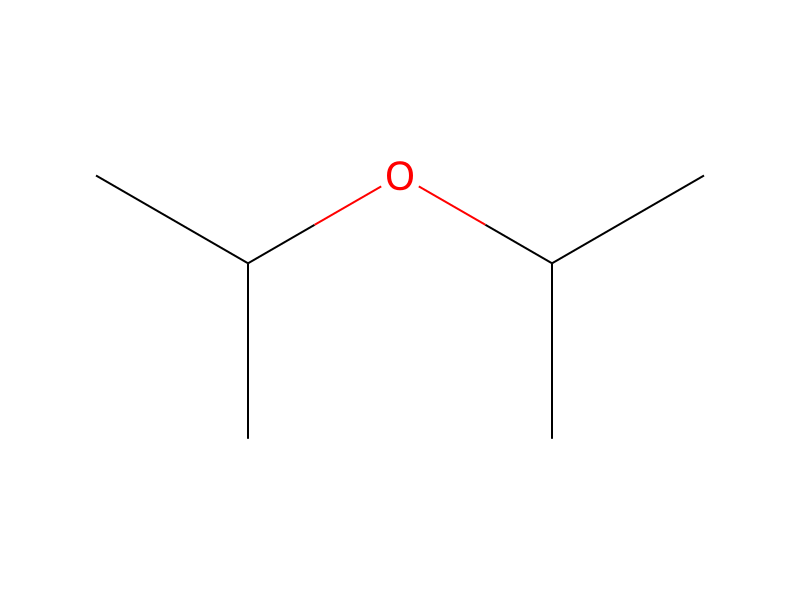
[Cl:1][CH2:2][C:3]([C:5]1[CH:10]=[CH:9][C:8]([CH3:11])=[C:7]([S:12](=[O:15])(=[O:14])[NH2:13])[CH:6]=1)=[O:4].[CH2:16]([NH:18][C:19]([NH:21][CH2:22][CH3:23])=[S:20])[CH3:17]>C(OC(C)C)(C)C>[ClH:1].[CH2:22]([N:21]1[C:3]([C:5]2[CH:10]=[CH:9][C:8]([CH3:11])=[C:7]([S:12](=[O:15])(=[O:14])[NH2:13])[CH:6]=2)([OH:4])[CH2:2][S:20][C:19]1=[N:18][CH2:16][CH3:17])[CH3:23]Participants
4


Procedure
5 g of 2-chloro-4'-methyl-3'-sulfamoylacetophenone and 2.7 g of 1,3-diethylthiourea were reacted as prescribed in Example 12. After addition of 200 ml of diisopropyl ether the solvent was decanted and the oily end product was crystallized under ethyl acetate heated to 40° to 50° C. Colorless solid body, melting point: 160° C (decomposition).
Workup
- customwas decanted
- customthe oily end product was crystallized under ethyl acetate
- temperatureheated to 40° to 50° C
Sources & evidence
- ORD record
- ord-31fcc2290c774320bcc607a62f00ec11
- Source dataset
- uspto-grants-1977_12
- Patent number
- US04061761
Linked notes
Loading…