
HRID 194840As reactant

105-55-5CCNC(=S)NCCFLVIGYVXZHLUHP-UHFFFAOYSA-NBuff solid or white powder. (NTP, 1992)
105-55-5DTXSID8020466CHEMBL1611590CHEBI:82448log Kow= 0.57
0.57
1 to 5 mg/mL at 68 °F (NTP, 1992)
SLIGHTLY SOL IN WATER; SOL IN METHANOL, ETHER, ACETONE, BENZENE, & ETHYL ACETATE; INSOL IN GASOLINE.
291 °F (NTP, 1992)
68-71 °C
77 °C
Buff solid or white powder. (NTP, 1992)
Dry Powder
Beige solid; [Hawley] Off-white flakes; [MSDSonline]
Safety information is for reference only and does not replace the supplier’s Safety Data Sheet (SDS), applicable regulations, or professional assessment.
This chemical does not meet GHS hazard criteria for 8.1% (29 of 359) of reports.
Danger
H302+H312 (43.7%): Harmful if swallowed or in contact with skin [Warning Acute toxicity, oral; acute toxicity, dermal]
P203, P260, P261, P264, P264+P265, P270, P271, P272, P273, P280, P301+P317, P302+P352, P304+P340, P305+P354+P338, P317, P318, P319, P321, P330, P333+P317, P362+P364, P403+P233, P405, and P501 (click each P-code to see the statement)
Aggregated GHS information provided per 359 reports by companies from 22 notifications to the ECHA C&L Inventory. Each notification may be associated with multiple companies.
Danger
Chemical: Thiourea, N,N'-diethyl-
Thiourea, N,N'-diethyl- is listed on the EPA's Chemical Data Reporting (CDR) system. Manufacturers and importers of Thiourea, N,N'-diethyl- are required to report information about their production and use of this chemical to the EPA under the Toxic Substances Control Act (TSCA). (40 eCFR Part 711)
Status: Active Update: 16-02-2023 https://echa.europa.eu/registration-dossier/-/registered-dossier/12736
1,3-Diethyl-2-thiourea: Does not have an individual approval but may be used under an appropriate group standard
Used as an accelerator for rubber processing; as an inhibitor of corrosion in metal pickling solutions; as an activator in elastomers; [HSDB]
ACCELERATOR FOR RUBBER PROCESSING
INHIBITOR OF CORROSION IN METAL PICKLING SOLN; ACCELERATOR ACTIVATOR IN ELASTOMERS
2023: 25,000 - <50,000 lb
(1977) PROBABLY GREATER THAN 4.54X10+6 GRAMS
(1979) PROBABLY GREATER THAN 4.54X10+6 GRAMS
Rubber Product Manufacturing
Thiourea, N,N'-diethyl-: ACTIVE
DescriptionDiethylthiourea, a thiourea derivative, is used mainly as a rubber chemical, particularly in solid neoprene products.
UsesDiethyl thiourea is the inhibitor of corrosion in metal pick/ing solutions; accelerator for mercaptan-modified chloroprene rubber; antidegradant for natural, nitrile-butadiene, styrene-butadiene, and chloroprene rubbers
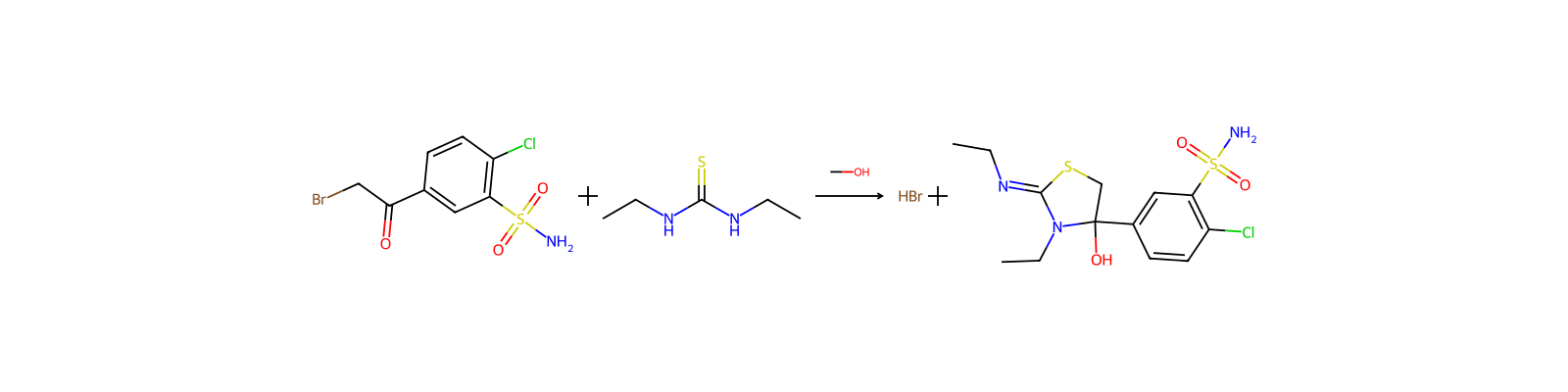
UsesN,N′-Diethylthiourea can be used as a reactant to prepare:3,5-Diethyltetrahydro-4-thioxo-1,3,5-triazine-1(2H)-propanoic acid by condensation reaction with formaldehyde and β-alanine.Methyl 3-ethyl-2-(ethylimino)-3,4-dihydro-4-oxo-2H-1,3-thiazine-6-carboxylate by one-pot reaction with dimethyl acetylenedicarboxylate in the presence of triphenylphosphine catalyst. 2-(Ethylimino)-3-ethyl-thiazolidin-4-one by cyclization reaction with 2-chloroacetic acid. 3-Ethyl-2-(ethylimino)-4-oxo-5-thiazolidineacetamide by condensation reaction with maleimides via Michael-type reaction.




N,N'-DIETHYLTHIOUREA is an amide. Amides/imides react with azo and diazo compounds to generate toxic gases. Flammable gases are formed by the reaction of organic amides/imides with strong reducing agents. Amides are very weak bases (weaker than water). Imides are less basic yet and in fact react with strong bases to form salts. That is, they can react as acids. Mixing amides with dehydrating agents such as P2O5 or SOCl2 generates the corresponding nitrile. The combustion of these compounds generates mixed oxides of nitrogen (NOx).
Acute Tox. 4 (85.8%)
Acute toxicity (Oral) - Category 4
Serious eye damage/eye irritation - Category 1
EYES: First check the victim for contact lenses and remove if present. Flush victim's eyes with water or normal saline solution for 20 to 30 minutes while simultaneously calling a hospital or poison control center. Do not put any ointments, oils, or medication in the victim's eyes without specific instructions from a physician. IMMEDIATELY transport the victim after flushing eyes to a hospital even if no symptoms (such as redness or irritation) develop.
SMALL SPILLS AND LEAKAGE: Should a spill occur while you are handling this chemical, FIRST REMOVE ALL SOURCES OF IGNITION, then you should dampen the solid spill material with 60-70% ethanol and transfer the dampened material to a suitable container. Use absorbent paper dampened with 60-70% ethanol to pick up any remaining material. Seal the absorbent paper, and any of your clothes, which may be contaminated, in a vapor-tight plastic bag for eventual disposal. Solvent wash all contaminated surfaces with 60-70% ethanol followed by washing with a soap and water solution. Do not reenter the contaminated area until the Safety Officer (or other responsible person) has verified that the area has been properly cleaned.
0.95 [mg/m3]
10 [mg/m3]
63 [mg/m3]
RECOMMENDED RESPIRATOR: Where the neat test chemical is weighed and diluted, wear a NIOSH-approved half face respirator equipped with a combination filter cartridge, i.e. organic vapor/acid gas/HEPA (specific for organic vapors, HCl, acid gas, SO2 and a high efficiency particulate filter). (NTP, 1992)
The effects of combined administration of three carcinogens in male F344 rats were investigated. The analysis of additive or synergistic effects was performed by comparing data for simultaneous and individual treatment at dose levels of one third of the reported TD50 values in rats. 2,4-Diaminoanisole sulfate, N,N'-diethylthiourea, and 4,4'-thiodianiline were administered alone or in combination in the diet at 610, 200, and 46 ppm levels, respectively, for a 52 wk period. The resultant incidence of thyroid adenocarcinomas in the combined treatment group was significantly higher than those in each individual treatment groups, 18/18 versus 0/21 (2,4-diaminoanisole sulfate), 1/21 (N,N'-diethylthiourea), and 2/20 (4,4'-thiodianiline). Hepatocellular carcinomas occurred in 9/18 and lung adenomas in 6/18 of those receiving the combined treatment. Hepatocellular carcinomas occurred in 3/20 and lung adenomas in 4/20 treated with 4,4'-thiodianiline. It was concluded that the three carcinogens exert apparent synergism in thyroid carcinogenesis when administered simultaneously.
TERRESTRIAL FATE: The estimated Koc(1,SRC) indicates that N,N-diethylthiourea may be highly mobile in soil(3). The estimated low value for Henry's Law constant(3) suggests that volatilization of N,N-diethylthiourea from moist soil would not be important(SRC).
AQUATIC FATE: Thiourea was found to be stable towards hydrolysis and photolysis(1). Therefore, hydrolysis and photolysis of N,N-diethylthiourea, which is structurally similar to thiourea, may not be important(SRC). Based on the estimated low value of 49(2,SRC) for Koc, adsorption of N,N-diethylthiourea to suspended solids and sediment should not be important and N,N-diethylthiourea should be present mostly in the aquatic phase in water(SRC). The estimated BCF value of 2(2,SRC) indicates that N,N-diethylthiourea would not bioconcentrate in aquatic organisms in water. Based on the estimated value of Henry's Law constant of 6.85X10⁻⁸ atm-cu m/mole at 25 °C(3) and the volatility characteristics associated with H(2), volatilization of N,N-diethylthiourea from water would not be important(SRC).
ATMOSPHERIC FATE: Based on an estimation method(1), the rate constant for the reaction of vapor-phase N,N-diethylthiourea with photochemically generated hydroxyl radicals in the atmosphere is 1.06X10⁻¹⁰ cu cm/molecule-sec. Assuming the daily average concn of hydroxyl radicals in the atmosphere of 5X10+5/cu cm(2), the half-life for the reaction would be 4 hrs. Based on a water solubility of 4555 mg/l(SRC) estimated from the experimental log Kow value of 0.57(3) and a regression equation(4), wet deposition may partly remove N,N-diethylthiourea from the atmosphere(SRC). If present in particulate form, N,N-diethylthiourea may also be removed from the atmosphere by dry deposition(SRC).
Based upon an experimental value of 0.57 for log Kow(1), the Koc for N,N-diethylthiourea can be estimated to be 49 from a linear regression-derived equation(2,SRC). This estimated Koc suggests that N,N-diethylthiourea will be highly mobile in soil(3,SRC).
DIETHYLTHIOUREA HAS BEEN SHOWN TO BE POTENT SKIN SENSITIZER, BUT WHETHER THIS HAS ANY RELATIONSHIP TO POSSIBLE KERATITIS REMAINS TO BE DETERMINED.
In the manufacture of rubber, irritant contact dermatitis may occur from a variety of acids, alkalies, detergents, and solvents used in the process. Allergic contact dermatitis occurs not infrequently and is almost always due to an organic accelerator or antioxidant. While the list of potential sensitizing accelerators and antioxidants is enormous, common allergens include ... thioureas. /Thioureas/
Case reports of contact and photocontact sensitivity to dimethylthiourea were described. Four patients, a 24 yr old female textile worker, a 30 yr old female textile cutter, a 35 yr old female textile worker, and a 40 yr old male employed as a draftsman in an architectural firm, developed recurrent itchy dermatitis on the eyelids, nostrils and mouth, which spread to other locations such as the neck and hands. The draftsman became light sensitive, even to exposure to neon light, with episodes occurring soon after he returned to work and continuing for several wk. The patients were patch tested with dimethylthiourea and other thiourea agents which were used in diazo sensitized papers which they used in their work. The three female patients showed contact allergic sensitization to dimethylthiourea. The draftsman showed contact and photocontact allergic sensitization to thiourea. The 24 yr old female patient showed cross sensitization to diethylthiourea and ethylbutylthiourea. All patients changed their jobs. It was concluded that skin problems of these patients have been primarily induced by airborne contact with the allergens.
N,N'-Diethylthiourea
Group 3: Not classifiable as to its carcinogenicity to humans
Volume 79: (2001) Some Thyrotropic Agents
2001
2000
N,N'-diethylthiourea
The Henry's Law constant for N,N-diethylthiourea can be estimated to be approximately 6.85X10⁻⁸ atm-cu m/mole at 25 °C using a chemical structure estimation method(1,SRC). Based on this value and the volatility characteristics associated with Henry's Law constant(2), N,N-diethylthiourea should be less volatile than water(SRC).
N,N-diethylthiourea was tested for mutagenicity in the Salmonella/microsome preincubation assay using the standard protocol approved by the National Toxicology Program. N,N-diethylthiourea was tested at doses of 0.10, 0.33, 1.0, 3.3, 6.7, and 10 mg/plate in as many as 5 Salmonella typhimurium strains (TA1535, TA1537, TA97, TA98, and TA100) in the presence and absence of rat or hamster liver S-9. N,N-diethylthiourea was negative in these tests and the highest ineffective dose tested without toxicity in any Salmonella typhimurium strain was 10 mg/plate. Slight clearing of the background bacterial lawn occurred in strains TA100, TA1535, and TA1537 when tested without activation at a dose of 6.7 mg/plate.
... Levels of Evidence of Carcinogenicity: Male Rats: Positive; Female Rats: Positive; Male Mice: Negative; Female Mice: Negative.
Evaluation: There is inadequate evidence in humans for the carcinogenicity of N,N'-diethylthiourea. There is limited evidence in experimental animals for the carcinogenicity of N,N'-diethylthiourea. Overall evaluation: N,N-diethylthiourea os not classifiable as to its carcinogenicity to humans (Group 3).
In tests to assess the environmental hazard of chemicals, thiourea was found to be stable towards hydrolysis and photolysis(1). Therefore, hydrolysis and photolysis of N,N-diethylthiourea, which is structurally similar to thiourea, may not be important(SRC). Based on an estimation method, the rate constant for the reaction of vapor-phase N,N-diethylthiourea with hydroxyl radicals has been estimated to be 1.06X10⁻¹⁰ cu cm/molecule-sec(2,SRC). Assuming the daily average concn of hydroxyl radicals in the atmosphere of 5X10+5/cu cm(3), the half-life for this reaction has been estimated to be 4 hrs(SRC).
General DescriptionBuff solid or white powder.
DefinitionChEBI: Thiourea in which each nitogen carries an ethyl substituent.