Reaction equation

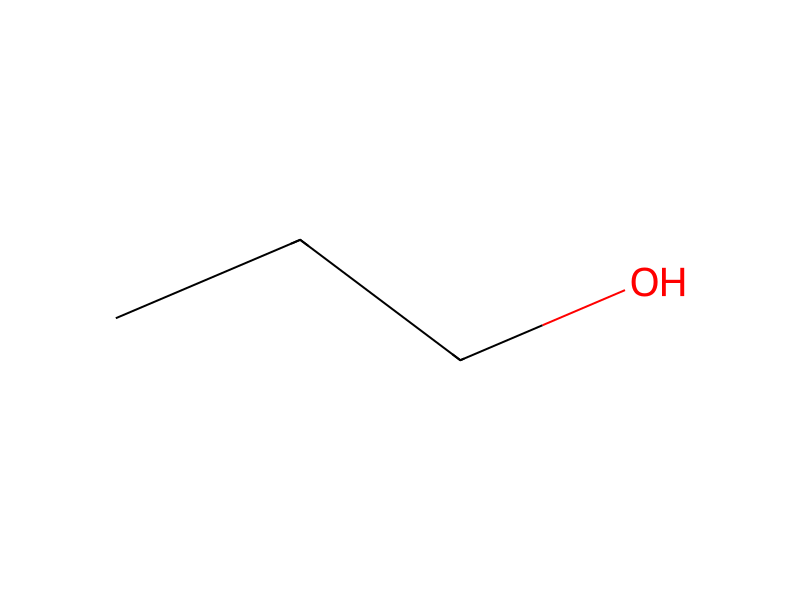
Cl[CH2:2][C:3]([N:5]1[C:11]2[CH:12]=[CH:13][CH:14]=[CH:15][C:10]=2[C:9](=[O:16])[NH:8][C:7]2[CH:17]=[CH:18][CH:19]=[N:20][C:6]1=2)=[O:4].[CH2:21]([N:23]([CH2:26][CH:27]1[CH2:32][CH2:31][CH2:30][CH2:29][NH:28]1)[CH2:24][CH3:25])[CH3:22].Cl>C(O)CC>[CH2:21]([N:23]([CH2:26][CH:27]1[CH2:32][CH2:31][CH2:30][CH2:29][N:28]1[CH2:2][C:3]([N:5]1[C:11]2[CH:12]=[CH:13][CH:14]=[CH:15][C:10]=2[C:9](=[O:16])[NH:8][C:7]2[CH:17]=[CH:18][CH:19]=[N:20][C:6]1=2)=[O:4])[CH2:24][CH3:25])[CH3:22]Participants
5
Reactant 3



Product 1

Reagents, catalysts & solvents 1
Procedure
The title compound is prepared analogously to Example 2 from 11-(chloroacetyl)-5,11-dihydro-6H-pyrido[2,3-b][1,4]benzodiazepin-6-one and (+)-2-[(diethylamino)methyl]piperidine to give colorless crystals, mp. 210°-211.5° C. (n-propanol/activated charcoal): [α]D20 =-12° (dilute aqueous hydrochloride acid).
Sources & evidence
- ORD record
- ord-92c0027987b8449694fde3dd09e425b0
- Source dataset
- uspto-grants-1985_10
- Patent number
- US04550107
Linked notes
Loading…