Reaction equation

CO[CH2:3][C:4](=[O:6])[CH3:5].C(OC(=O)[CH2:13][CH2:14][C:15](=[O:17])[CH3:16])CCC.[CH3:19]C(=O)CCC(=O)C.C1(=O)CCCCC1.[CH3:34][C:35]1(C)[CH2:40][CH:39](C)[CH2:38][C:37](=O)[CH2:36]1.C1(=O)CCCC1.C1(=O)CCCCCCCCCCC1>C(C(C)=O)C(C)C.C(C(CC)=O)C.C(C(C)=O)C.CC(C)=O>[CH3:19][C:15]([O:17][O:6][C:4]([CH3:3])([CH3:5])[CH:38]1[CH2:39][CH2:40][CH:35]([CH3:34])[CH2:36][CH2:37]1)([CH:14]=[CH2:13])[CH3:16]Participants
12
Reactant 7


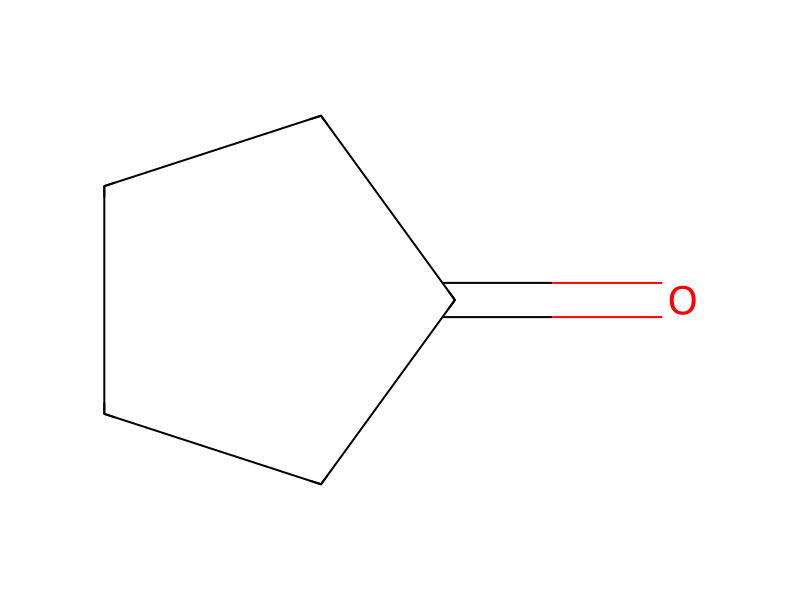
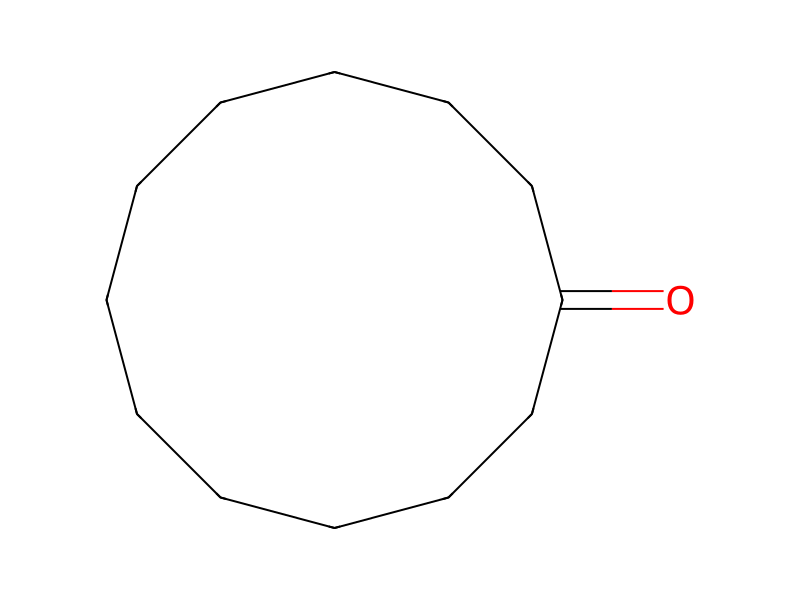


Product 1

Reagents, catalysts & solvents 4



Procedure
In the preparation of the present diperoxy ketals a t-alkenyl hydroperoxide (II) can be reacted in a usual way with a ketone in an acid medium. As examples of suitable ketones may be mentioned: acetone, methoxyacetone, methyl ethyl ketone, diethyl ketone, methyl isobutyl ketone, n-butyl-4-ketovalerate, 2,5-hexanedione, cyclohexanone, 3,3,5-trimethylcyclohexanone, cyclopentanone and cyclododecanone.
Sources & evidence
- ORD record
- ord-89e63318b7bd4baca3d4365ec665e90f
- Source dataset
- uspto-grants-1992_10
- Patent number
- US05157087
Linked notes
Loading…