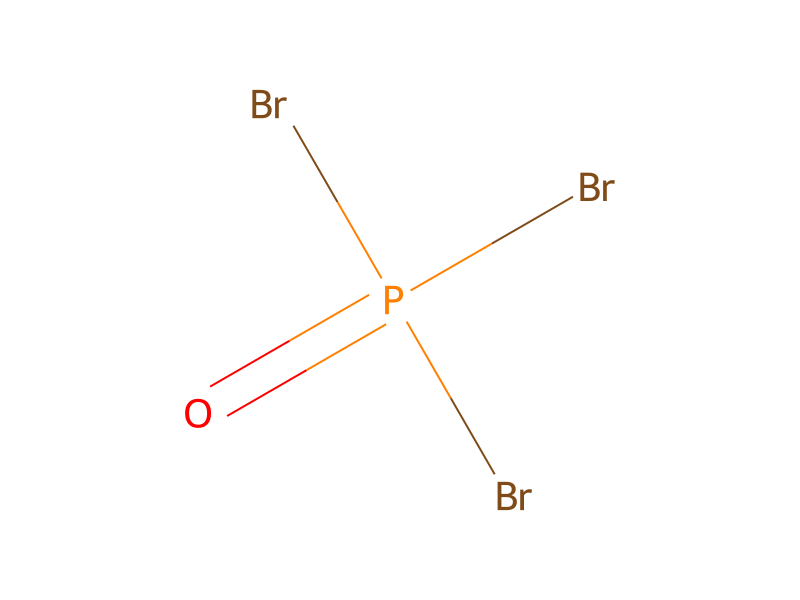
[F:1][C:2]([F:25])([C:18]1[CH:23]=[CH:22][C:21]([F:24])=[CH:20][N:19]=1)[C:3]1[NH:12][C:11](=O)[C:10]2[C:5](=[C:6]([C:14]([O:16][CH3:17])=[O:15])[CH:7]=[CH:8][CH:9]=2)[N:4]=1.P(Br)(Br)([Br:28])=O.CN(C=O)C>C1(C)C=CC=CC=1>[Br:28][C:11]1[C:10]2[C:5](=[C:6]([C:14]([O:16][CH3:17])=[O:15])[CH:7]=[CH:8][CH:9]=2)[N:4]=[C:3]([C:2]([F:25])([F:1])[C:18]2[CH:23]=[CH:22][C:21]([F:24])=[CH:20][N:19]=2)[N:12]=1A mixture of methyl 2-(difluoro(5-fluoropyridin-2-yl)methyl)-4-oxo-3,4-dihydroquinazoline-8-carboxylate (30 g, 85.9 mmol), POBr3 (3.7 g, 429.5 mmol), TEA (43.5 g, 429.5 mmol) and DMF (0.1 mL) in toluene (300 mL) was heated with stirring at 100° C. for 4 h. The mixture was concentrated and the residue was suspended in water (1 L) and extracted with EtOAc (3×200 mL). The combined organic layers were washed with water (2×50 mL) and brine, and then concentrated at 35° C. under reduced pressure until a solid began to precipitate. The mixture was allowed to cool, and the solid was collected by filtration and washed with a small quantity of cold EtOAc to afford methyl 4-bromo-2-(difluoro(5-fluoropyridin-2-yl)methyl)quinazoline-8-carboxylate (23 g, 65%). LC-MS (ESI) m/z 412.7, 414.7 (M+H+). The filtrate was concentrated and the residue was purified by silica gel chromatography eluting with EtOAc/hexanes to afford additional methyl 4-bromo-2-(difluoro(5-fluoropyridin-2-yl)methyl)quinazoline-8-carboxylate (3.0 g, 8%).