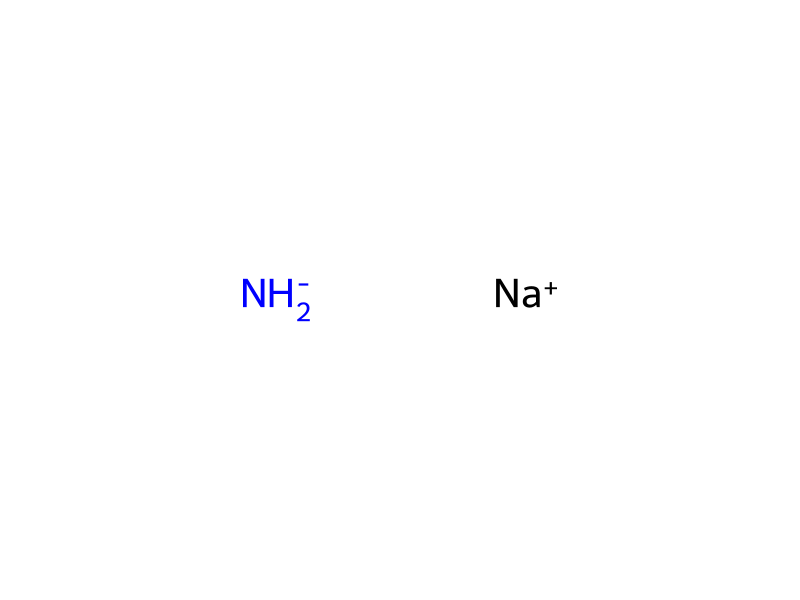
According to the process described in Tetrahedron, 47, 1991, 3259, a solution of sodium amide (18.5 g) in THF (100 ml) was added to a solution of 1,4-cyclohexanedione monoethylene ketal (18.5 g) in THF (100 ml) under a nitrogen atmosphere while keeping the temperature of the solution at 10-20° C. After stirring at 20° C. for 30 minutes, methyl iodide (41.3 g) was added and the stirring was continued at room temperature for 1 hour. The reaction solution was mixed with a saturated aqueous solution of ammonium chloride (100 ml) and extracted with diethyl ether. The diethyl ether layer was washed with water, dried (MgSO4), and then evaporated under reduced pressure to remove the solvent. The residue was subjected to column chromatography on silica gel and an oily mixture (mixture ratio of 1:1, 15.1 g) of 4,4-ethylenedioxy-2-methyl-1-cyclohexanone and 4,4-ethylenedioxy-2,2-dimethyl-1-cyclohexanone was obtained from the eluates with ethyl acetate-hexane (4:1). To a solution of this mixture (2.0 g) in ethanol (20 ml) was added sodium borohydride (440 mg) under ice cooling. After stirring at room temperature for 2 hours, acetic acid (0.2 ml) was added, and the mixture was evaporated under reduced pressure to remove the solvent. To the residue was added ethyl acetate and the resulting solution was washed with water, dried (MgSO4), and then evaporated under reduced pressure to remove the solvent. The residue was subjected to column chromatography on silica gel to obtain 4-hydoxy-3-methyl-1-cyclohexanone ethylene ketal (140 mg, 1H NMR (CDCl3) δ: 1.02 (3H, d, J=6.6 Hz), 1.20-2.00 (8H, m), 3.15-3.30 (1H, m), 3.94 (4H, br s)) and 4-hydoxy-3,3-dimethyl-1-cyclohexanone ethylene ketal (470 mg, 1H NMR (CDCl3) δ: 1.00 (3H, s), 1.01 (3H,s), 1.35-1.90 (7H, m), 3.38-3.46 (1H, m), 3.90-4.00 (4H, m)) from the eluates with ethyl acetate-hexane (6:1) as oily substances, respectively.