Reaction equation

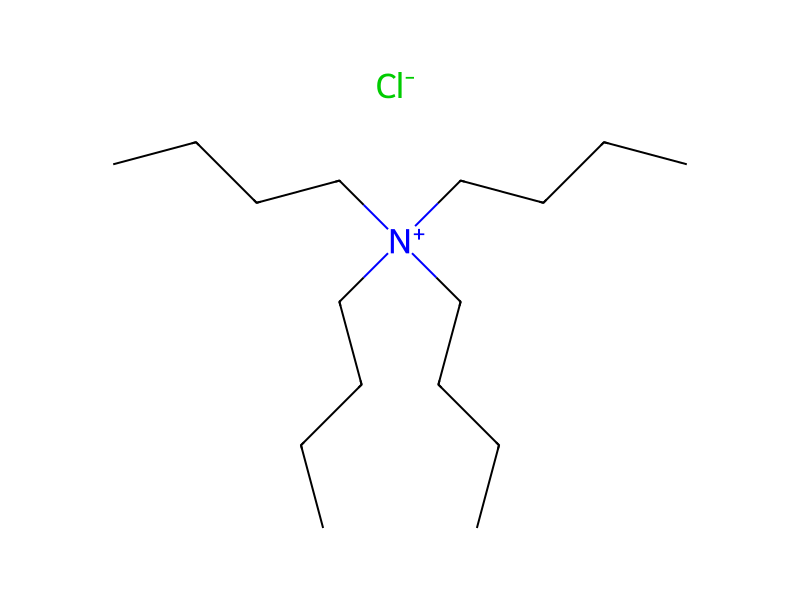
[Br:1][C:2]1[C:7]([N+:8]([O-:10])=[O:9])=[CH:6][CH:5]=[CH:4][C:3]=1[CH2:11]Br.[C:13]([O-:16])(=[O:15])[CH3:14].[K+]>[Cl-].C([N+](CCCC)(CCCC)CCCC)CCC.C(#N)C.C(Cl)Cl>[C:13]([O:16][CH2:11][C:3]1[CH:4]=[CH:5][CH:6]=[C:7]([N+:8]([O-:10])=[O:9])[C:2]=1[Br:1])(=[O:15])[CH3:14]Participants





Procedure
A stirred solution of 2-bromo-1-bromomethyl-3-nitrobenzene (20.2 g, 0.0685 mole), potassium acetate (10.08 g, 0.103 mole), and tetrabutylammonium chloride (1.5 g) in 150 ml of acetonitrile was heated at reflux for six hours. The reaction mixture was cooled, filtered, and extracted with methylene chloride. The extract was evaporated to give a residue which was redissolved in methylene chloride and washed twice with 150 ml portions of saturated aqueous sodium chloride solution. The organic phase was passed through phase separation filter paper and evaporated to give a dark solid. The solid was purified by column chromatography on silica gel, elution with toluene, to give (2-bromo-3-nitrophenyl)methyl acetate as a yellow solid (9.6 g, mp 60°-63°).
Workup
- temperatureat reflux for six hours
- temperatureThe reaction mixture was cooled
- filtrationfiltered
- extractionextracted with methylene chloride
- customThe extract was evaporated
- customto give a residue which
- washwashed twice with 150 ml portions of saturated aqueous sodium chloride solution
- customThe organic phase was passed through phase separation
- filtrationfilter paper
- customevaporated
- customto give a dark solid
- customThe solid was purified by column chromatography on silica gel, elution with toluene
Sources & evidence
- ORD record
- ord-97a9a6e7eac0461b80c6b1e62078f6e4
- Source dataset
- uspto-grants-1985_08
- Patent number
- US04536591
Linked notes
Loading…