Reaction equation

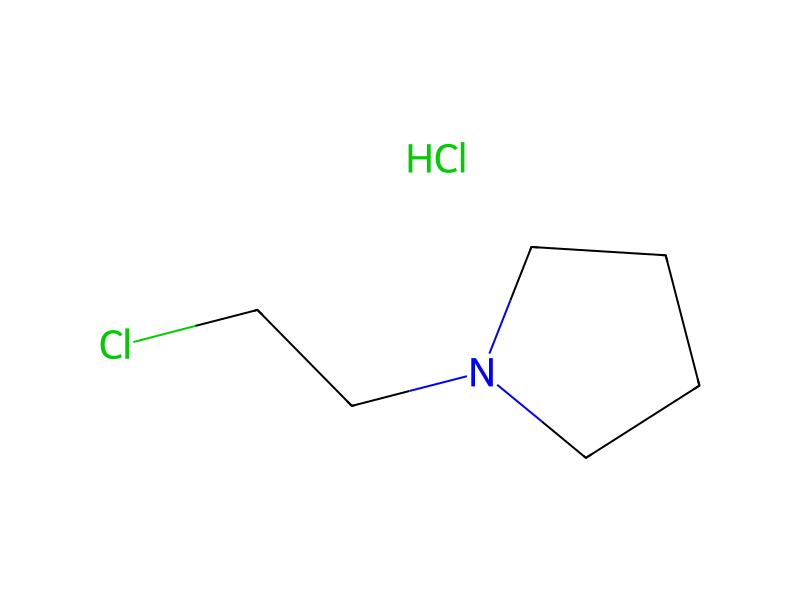
[CH3:1][O:2][C:3]1[CH:8]=[C:7]([N+:9]([O-:11])=[O:10])[CH:6]=[CH:5][C:4]=1[O-:12].[K+].Cl.Cl[CH2:16][CH2:17][N:18]1[CH2:22][CH2:21][CH2:20][CH2:19]1.C(=O)([O-])[O-].[Cs+].[Cs+].O>CN(C=O)C>[CH3:1][O:2][C:3]1[CH:8]=[C:7]([N+:9]([O-:11])=[O:10])[CH:6]=[CH:5][C:4]=1[O:12][CH2:16][CH2:17][N:18]1[CH2:22][CH2:21][CH2:20][CH2:19]1Participants
6





Conditions
- Temperature
- 80 °C
Procedure
A suspension of potassium 2-methoxy-4-nitro-phenolate (2.0 g, 9.7 mmol), 1-(2-chloro-ethyl)-pyrrolidine hydrochloride (2.0 g, 12 mmol) and cesium carbonate (7.0, 22 mmol) in DMF (35 mL) was heated at 80° C. for 16 h. The mixture was allowed to cool to room temperature, poured into water (60 mL) and extracted with EtOAc (2×50 mL). The combined extracts were washed with brine, dried over anhydrous Na2SO4 and filtered. The filtrate was concentrated and used in the next step without purification.
Workup
- temperatureto cool to room temperature
- extractionextracted with EtOAc (2×50 mL)
- washThe combined extracts were washed with brine
- dry with materialdried over anhydrous Na2SO4
- filtrationfiltered
- concentrationThe filtrate was concentrated
- customused in the next step without purification
Sources & evidence
- ORD record
- ord-c3f8596d21e044b3802d5d13715720ab
- Source dataset
- uspto-grants-2009_05
- Patent number
- US07528143B2
Linked notes
Loading…