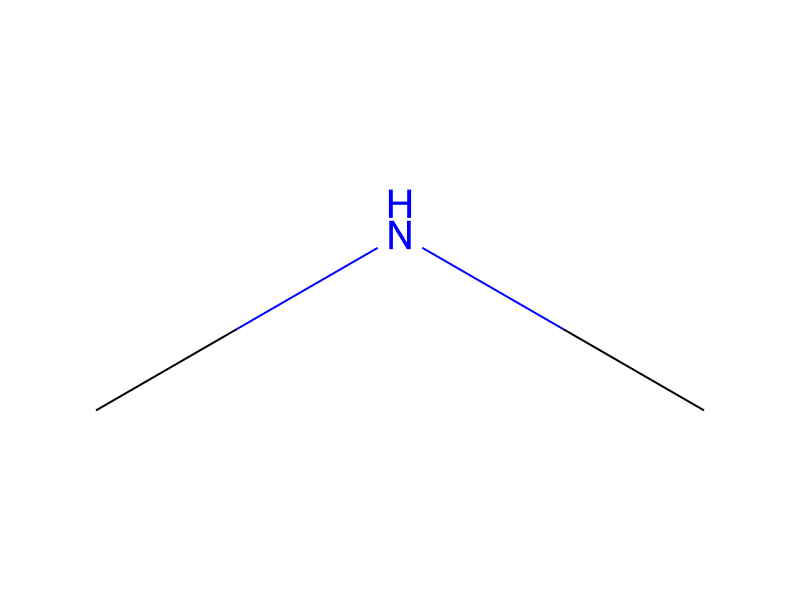
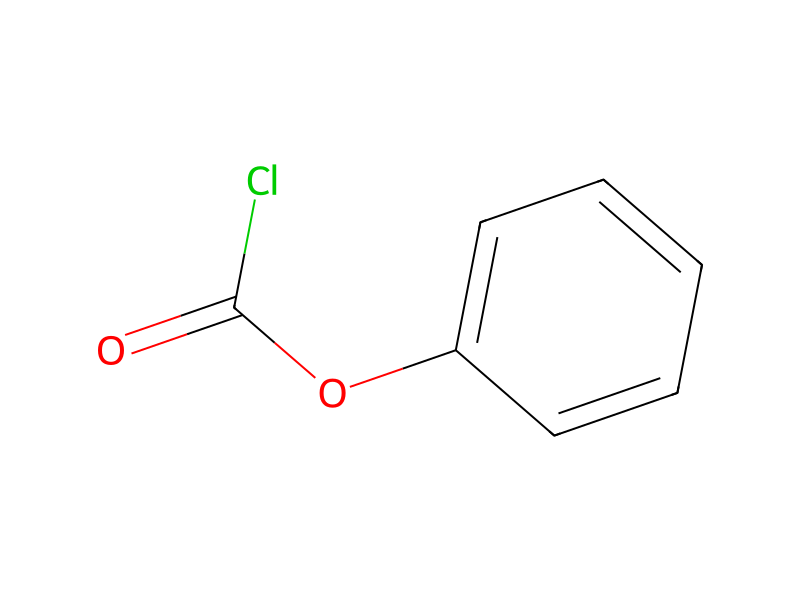
4-Amino-6-(2-fluoro-4-nitrophenoxy)pyrimidine (500 mg) was dissolved in tetrahydrofuran (10 ml) under a nitrogen atmosphere, and then triethylamine (0.418 ml) and phenyl chloroformate (0.376 ml) were added dropwise thereto while cooling in an ice bath, followed by stirring at room temperature for 1 hr and 10 min. Triethylamine (0.139 ml) and phenyl chloroformate (0.125 ml) were added further thereto while cooling in an ice bath, followed by stirring at room temperature for 30 min. Triethylamine (0.139 ml) and phenyl chloroformate (0.125 ml) were added further thereto, followed by stirring at room temperature for 30 min. To the reaction mixture was added 2 M dimethylamine (a methanol solution) (5.0 ml), followed by stirring at room temperature overnight. The reaction mixture was partitioned between ethyl acetate and a saturated aqueous solution of ammonium chloride. The organic layer was washed with a saturated aqueous solution of ammonium chloride, a saturated aqueous solution of sodium hydrogencarbonate, water and brine in this order, and dried over anhydrous sodium sulfate. The solvent was evaporated under a reduced pressure to give a residue, which was then suspended in diethyl ether. The solid was filtered, and dried under aeration to provide the titled compound (378.9 mg, 59.0%) as pale yellow powder.