Reaction equation

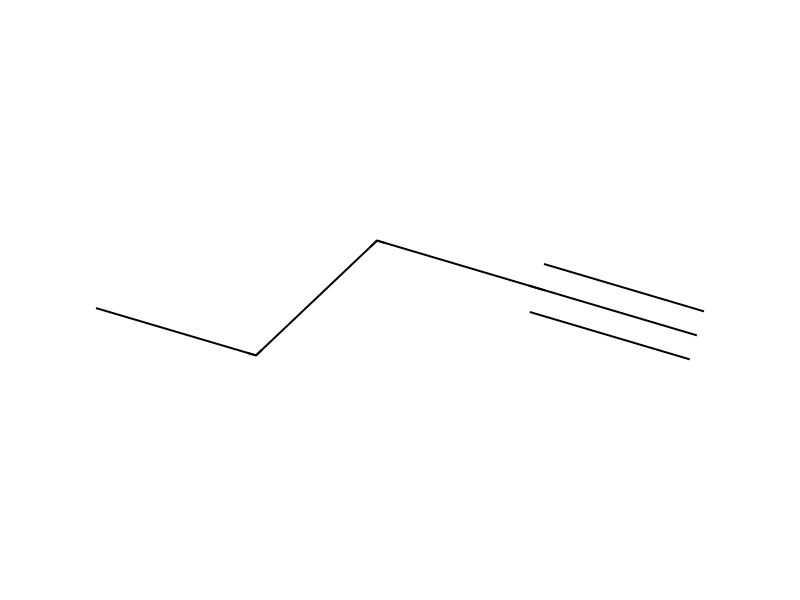
[CH2:1]([O:8][C:9]1[CH:18]=[CH:17][C:16]2[C:11](=[CH:12][CH:13]=[C:14](Br)[CH:15]=2)[CH:10]=1)[C:2]1[CH:7]=[CH:6][CH:5]=[CH:4][CH:3]=1.[CH:20]#[C:21][CH2:22][CH2:23][CH3:24].C[Si](C#C)(C)C>>[CH2:1]([O:8][C:9]1[CH:18]=[CH:17][C:16]2[C:11](=[CH:12][CH:13]=[C:14]([C:20]#[C:21][CH2:22][CH2:23][CH3:24])[CH:15]=2)[CH:10]=1)[C:2]1[CH:7]=[CH:6][CH:5]=[CH:4][CH:3]=1Participants
4



Procedure
The reaction was conducted in the same manner as in the step (i) of the Example 31, except for using 2-(benzyloxy)-6-bromonaphthalene synthesized in the step (i) and 1-n-pentyne instead of 1-bromo-4-n-propylbenzene and trimethylsilylacetylene, respectively. The resultant was recrystallized from ethanol to give 2-(benzyloxy)-6-(2-n-propylethynyl)naphthalene.
Workup
- customThe resultant was recrystallized from ethanol
Sources & evidence
- ORD record
- ord-5f136b0ba30b4f178ad1f7d0f9a890a6
- Source dataset
- uspto-grants-2009_05
- Patent number
- US07534547B2
Linked notes
Loading…