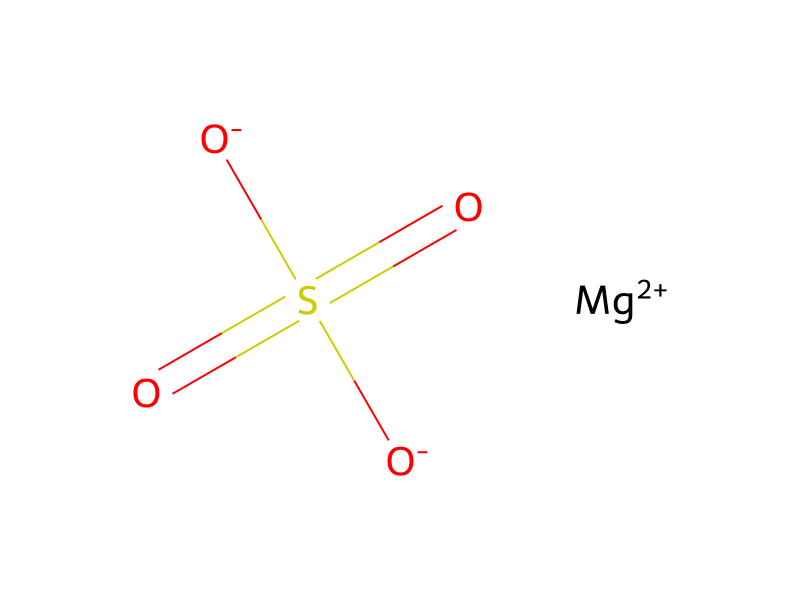
1-Boc-4-(2-oxo-2-thiazol-2-ylethyl)piperazine (5.0 g, 16.1 mmol) was dissolved in methanol (25 mL). To this solution, magnesium sulfate (2 g) was added, followed by p-tosylhydrazine (3.9 g, 20.2 mmol). The mixture was stirred for 48 h and then filtered, and the filtrate concentrated under vacuum. The residue (6.0 g, about 12 mmol) was redissolved in methanol (120 mL), and sodium triacetoxyborohydride (10.1 g, 48 mmol) was added. The mixture was heated to reflux overnight. The mixture was cooled to 0° C. and concentrated HCl (15 mL) slowly added. The mixture was allowed to warm to room temperature and stirred for 1 h. The mixture was concentrated to half the volume and placed on an SCX column (30 g, pretreated with 5% acetic acid in methanol) and washed with methanol (500 mL). The product was eluted with saturated ammonium hydroxide in methanol (500 mL) and the solvent removed under vacuum. The crude product was then purified by chromatography (SiO2, 12:1-4:1 CH2Cl2:CMA) to provide 1-(2-thiazol-2-ylethyl)piperazine (1.9 g, 57%).