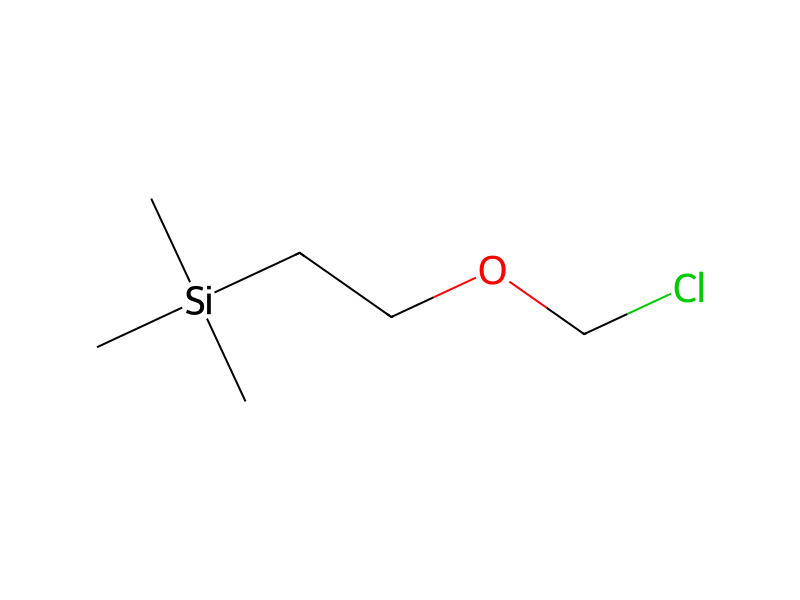
A solution of ethyl (2-o-tolylamino-3H-benzimidazol-5-yl)acetate (5 g, Reference Example 8) in tetrahydrofuran (200 mL) was treated with sodium hydride (0.71 g, 60% dispersion in mineral oil) under nitrogen with stirring at room temperature. On completion of the addition the mixture was stirred at room temperature for a further 30 minutes and then treated with (2-trimethylsilylethoxy)methyl chloride (2.95 g). After stirring at room temperature for a further 1 hour the mixture was evaporated to low bulk and the residue was partitioned between ethyl acetate (500 mL) and water (500 mL). The organic phase was separated then dried and then evaporated. The residue was subjected to flash chromatography on silica eluting with a mixture of pentane and ether (3:2, v/v). The material (5.2 g) from chromatography was dissolved in methanol (100 mL) and the solution was treated with aqueous sodium hydroxide solution (30 mL, 1M). After standing at room temperature for 4 hours the mixture was evaporated to low bulk and then diluted with water (50 mL). The mixture was acidified by addition of acetic acid to give a white gum which was decanted from which the aqueous mother liquors. The gum was washed once by decantation with a little water and then triturated with the minimum of ethanol to give the title compound (910 mg) as a white solid. Evaporation of the ethanol solution gave a further quantity of the title compound (3.0 g) as an orange foam.