HomeMCPSkillsWorkbenchOpenChem
HomeWorkbenchNotificationsMe
llms.txt · skill.md · MCP GuidePrivacy Policy · Terms of Service · Supportv1.8.5
  1. Home
  2. /Reaction

Lithium Hydroxide → t-Butyl 3-hydroxy-5-methyl-4-nitrophenylacetate

HRID 49708
Print

Reaction equation

C([O:4][C:5]1[CH:6]=[C:7]([CH2:15][C:16]([O:18][C:19]([CH3:22])([CH3:21])[CH3:20])=[O:17])[CH:8]=[C:9]([CH3:14])[C:10]=1[N+:11]([O-:13])=[O:12])(=O)C.[OH-].[Li+].C(OCC)(=O)C.[Cl-].[Na+]>CO.O>[OH:4][C:5]1[CH:6]=[C:7]([CH2:15][C:16]([O:18][C:19]([CH3:22])([CH3:21])[CH3:20])=[O:17])[CH:8]=[C:9]([CH3:14])[C:10]=1[N+:11]([O-:13])=[O:12]
ParticipantsProcedureWorkupSources & evidenceReaction notes

Participants

7

Reactant 4

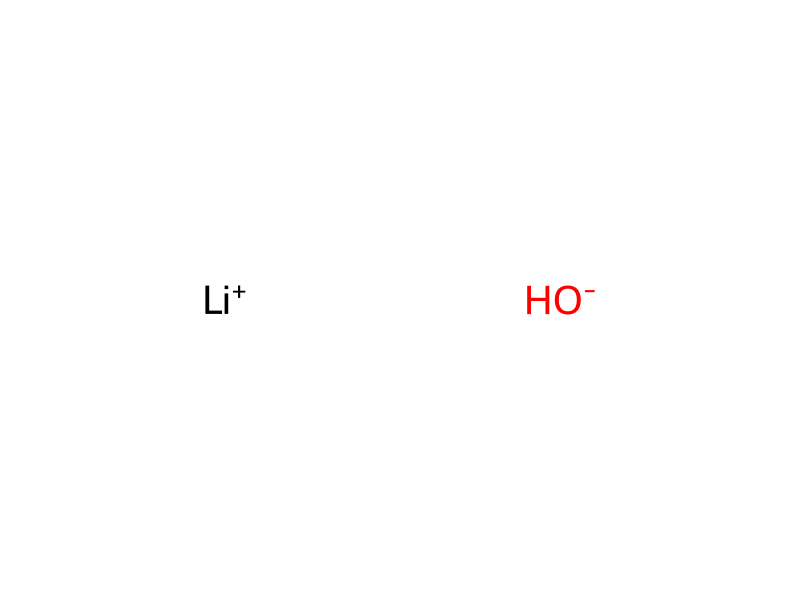
HCID 3939Lithium HydroxideHCID 5234Sodium ChlorideHCID 8857Ethyl AcetateHCID 18188096t-Butyl 3-acetoxy-5-methyl-4-nitrophenylacetate

Product 1

HCID 18188087t-Butyl 3-hydroxy-5-methyl-4-nitrophenylacetateYield 104.2%

Reagents, catalysts & solvents 2

HCID 887
Methanol
Solvent
HCID 962WaterSolvent

Procedure

A solution of t-butyl 3-acetoxy-5-methyl-4-nitrophenylacetate (0.5 g, Reference Example 12) in methanol (6 mL) was treated with lithium hydroxide (0.2 g) in water (1.5 mL). After stirring for 2 hours the mixture was carefully acidified to pH 5 and then treated with ethyl acetate and sodium chloride. The organic layer was evaporated and the residue was dissolved in dichloromethane. This solution was dried and then evaporated to give the title compound (0.45 g) as a yellow green oil.

Workup

  1. customThe organic layer was evaporated
  2. dissolutionthe residue was dissolved in dichloromethane
  3. customThis solution was dried
  4. customevaporated

Sources & evidence

ORD record
ord-3ba4b2586bbf420ba816ed6edb0e882f
Source dataset
uspto-grants-2004_03
DOI
10.6084/m9.figshare.5104873.v1
Patent number
US06706738B2

Reaction notes

On this pageParticipantsProcedureWorkupSources & evidenceReaction notes