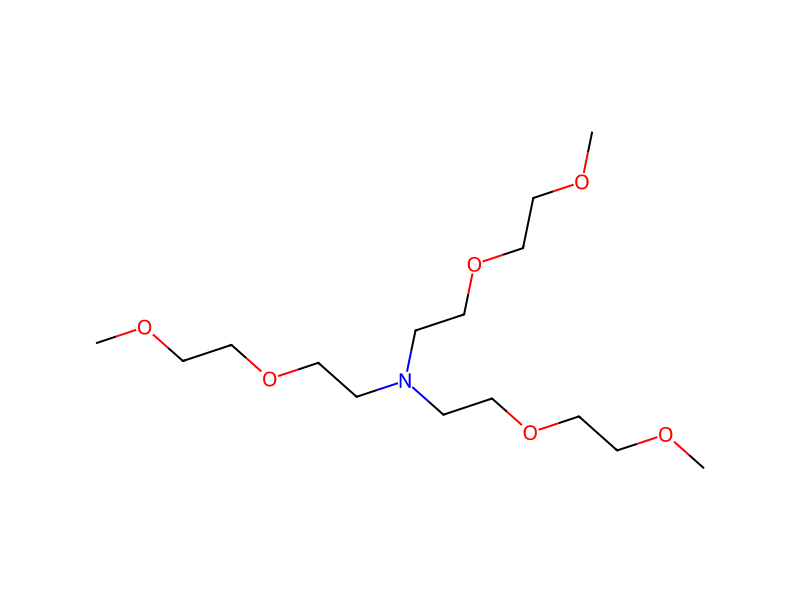
To a mixture of sodium hydride (1.06 g) and anhydrous tetrahydrofuran (50 ml) was added cyclopropyl-triphenylphosphonium bromide (10.13 g), the mixture was heated under reflux for 1 hour. The reaction mixture was cooled to ambient temperature, and then thereto was added a mixture of t-butyl trans-4-formylcyclohexylcarbamate (3.00 g), tris[2-(2-methoxyethoxy)ethyl]amine (427 mg) and anhydrous tetrahydrofuran (15 ml). The resulting mixture was heated under reflux for 1 hour. The reaction mixture was cooled to ambient temperature, and then saturated aqueous ammonium chloride was added to the reaction mixture. The reaction mixture was extracted with ethyl acetate, the organic layer was washed with brine, dried over sodium sulfate, and then the solvent was removed in vacuo. The residue was purified by a silica gel chromatography (eluent: gradient from 100% hexane/0% ethyl acetate to 0% hexane/100% ethyl acetate) to give 1.43 g of t-butyl trans-4-cyclopropylidenemethylcyclohexylcarbamate.