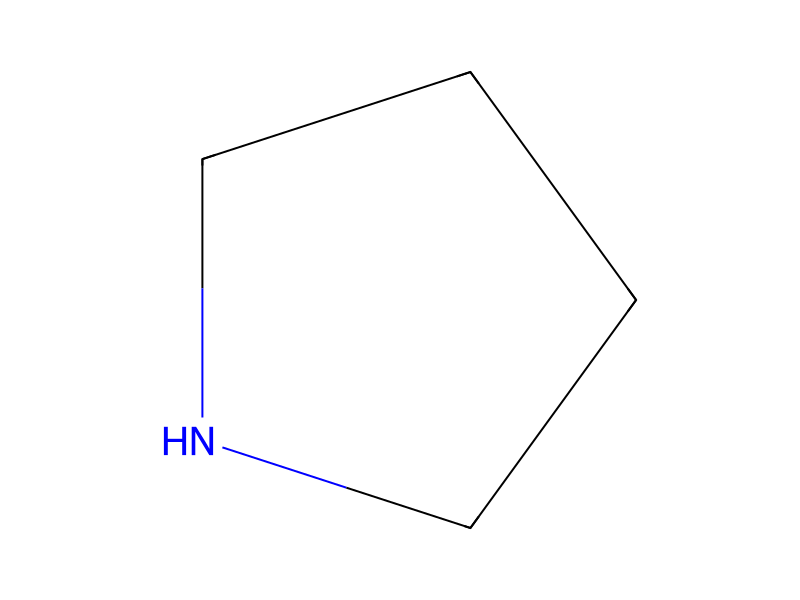
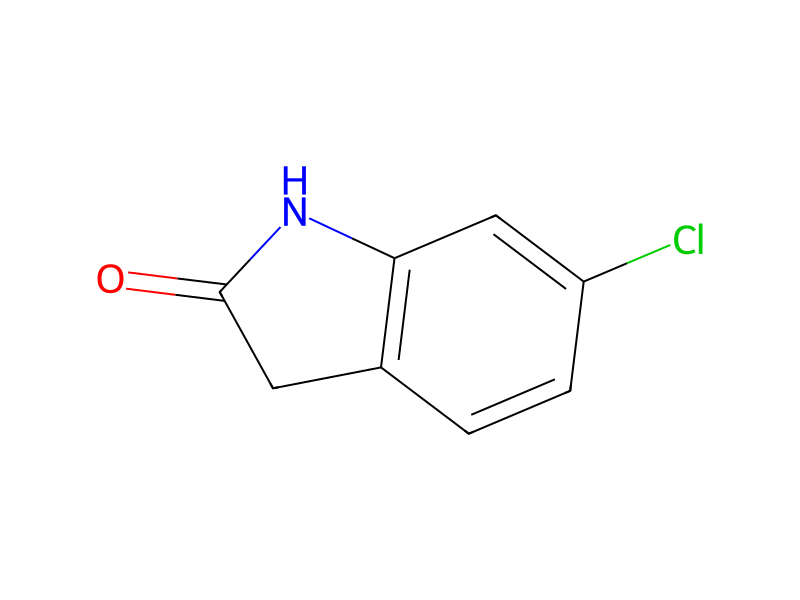
Pyrrolidine → Z-6-chloro-3-[5-chloro-2-(4-methoxy-phenoxy)-benzylidene]-1,3-dihydro-indol-2-one
HRID 504523
Reaction equation

[Cl:1][C:2]1[CH:10]=[C:9]2[C:5]([CH2:6][C:7](=[O:11])[NH:8]2)=[CH:4][CH:3]=1.[Cl:12][C:13]1[CH:14]=[CH:15][C:16]([O:21][C:22]2[CH:27]=[CH:26][C:25]([O:28][CH3:29])=[CH:24][CH:23]=2)=[C:17]([CH:20]=1)[CH:18]=O.N1CCCC1>CO>[Cl:1][C:2]1[CH:10]=[C:9]2[C:5](/[C:6](=[CH:18]/[C:17]3[CH:20]=[C:13]([Cl:12])[CH:14]=[CH:15][C:16]=3[O:21][C:22]3[CH:27]=[CH:26][C:25]([O:28][CH3:29])=[CH:24][CH:23]=3)/[C:7](=[O:11])[NH:8]2)=[CH:4][CH:3]=1Participants
5