Reaction equation

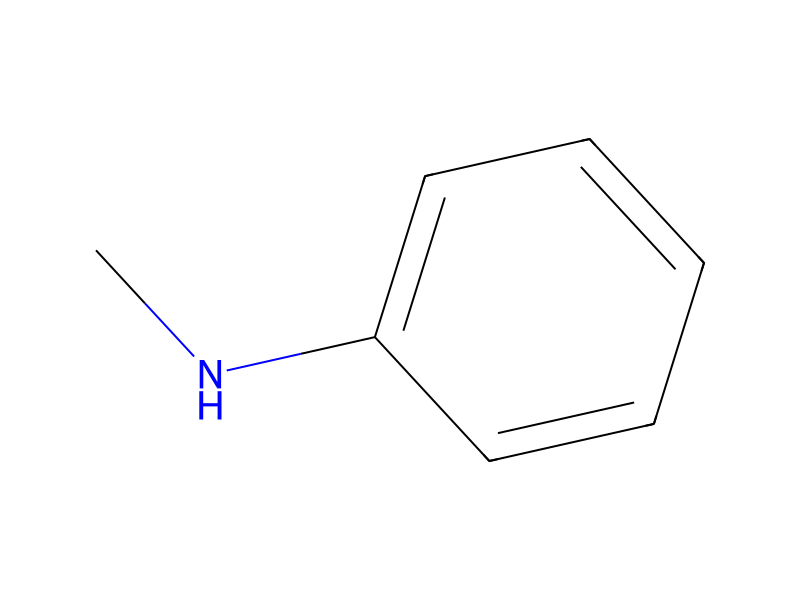
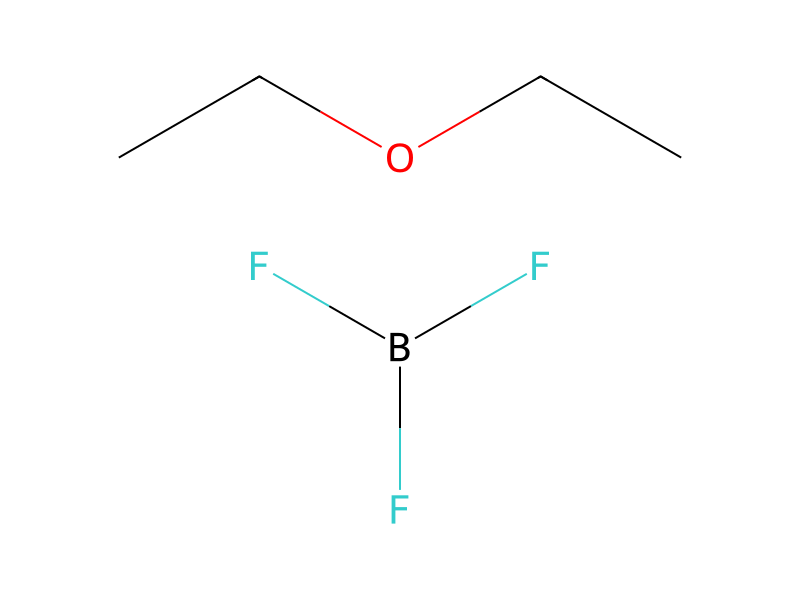
[CH3:1][NH:2][C:3]1[CH:8]=[CH:7][CH:6]=[CH:5][CH:4]=1.[CH:9]1[CH2:13][CH2:12][CH2:11][CH:10]=1.C=O.B(F)(F)F.[CH3:20]COCC.[OH-].[Na+]>C(#N)C>[CH3:1][N:2]1[C:3]2[CH:8]=[CH:7][CH:6]=[CH:5][C:4]=2[CH:10]2[CH2:11][CH2:12][CH2:13][CH:9]2[CH2:20]1Participants





Conditions
- Temperature
- 1.5 °C
Procedure
N-methyl aniline (1.07 g, 10.0 mmol) was dissolved in 23 ml acetonitrile under N2 atmosphere. Cyclopentene (4.08 g, 60.0 mmol) and paraformaldehyde (300 mg, 10.0 mmol) were added in one portion. The mixture was cooled to 1.5° C. and BF3.OEt2 (3.55 g, 25.0 mmol) was added over a period of 2 minutes. The cooling bath was removed after addition was completed (reaction temp=9° C.). The reaction was completed after 2 hours (HPLC). NaOH (10.5 g in 20 ml water) was added and the mixture stirred overnight. Layers were separated. An inorganic solid was separated by filtration and the organic layer was extracted with ethyl acetate 3×10 ml. The combined organic layers were washed with brine and dried over MgSO4. Evaporation of solvent and flash-chromatography with heptane/ethyl acetate gave 5-Methyl-2,3,3a,4,5,9b-hexahydro-1H-cyclopenta[c]quinoline (1.08 g, 57% yield).
Workup
- customThe cooling bath was removed
- additionafter addition
- custom(reaction temp=9° C.)
- customLayers were separated
- customAn inorganic solid was separated by filtration
- extractionthe organic layer was extracted with ethyl acetate 3×10 ml
- washThe combined organic layers were washed with brine
- dry with materialdried over MgSO4
- customEvaporation of solvent and flash-chromatography with heptane/ethyl acetate
Sources & evidence
- ORD record
- ord-47ec983ca27e4a8f8febbe18aa5c5fba
- Source dataset
- uspto-grants-2010_08
- Patent number
- US07781427B2
Linked notes
Loading…