1,2-Dichloroethane → (4-benzyl-4-hydroxy-piperidin-1-yl)-(2-methyl-1H-indol-3-yl)-methanone
HRID 505083
Reaction equation

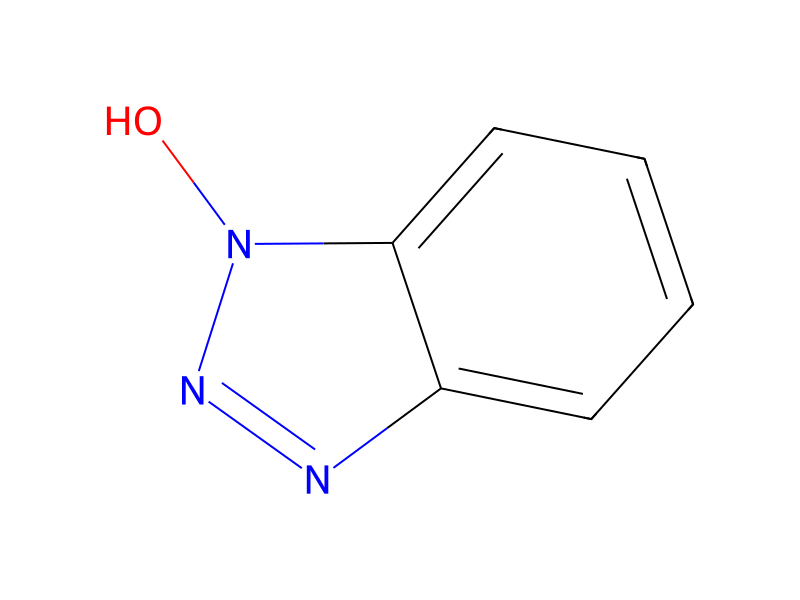
[CH3:1][C:2]1[NH:3][C:4]2[C:9]([C:10]=1[C:11]([OH:13])=O)=[CH:8][CH:7]=[CH:6][CH:5]=2.C(Cl)CCl.C1C=CC2N(O)N=NC=2C=1.CCN(CC)CC.[CH2:35]([C:42]1([OH:48])[CH2:47][CH2:46][NH:45][CH2:44][CH2:43]1)[C:36]1[CH:41]=[CH:40][CH:39]=[CH:38][CH:37]=1>C(Cl)Cl>[CH2:35]([C:42]1([OH:48])[CH2:47][CH2:46][N:45]([C:11]([C:10]2[C:9]3[C:4](=[CH:5][CH:6]=[CH:7][CH:8]=3)[NH:3][C:2]=2[CH3:1])=[O:13])[CH2:44][CH2:43]1)[C:36]1[CH:37]=[CH:38][CH:39]=[CH:40][CH:41]=1