Allyl chloride → (3-Chloropropyl)(triethyl)silane
HRID 51238
Reaction equation

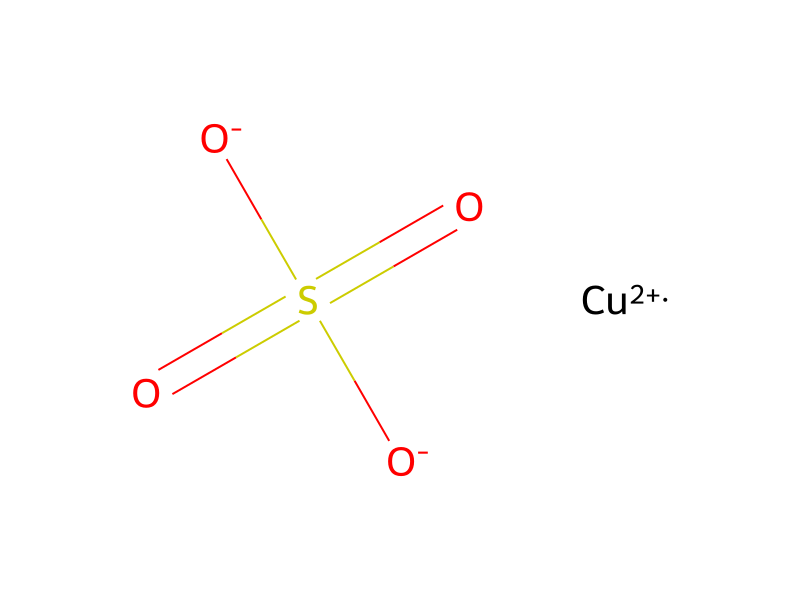
[CH2:1]([Cl:4])[CH:2]=[CH2:3].[CH2:5]([SiH:7]([CH2:10][CH3:11])[CH2:8][CH3:9])[CH3:6]>[Cu].[Cu](Cl)Cl.C([O-])(=O)C.[Cu+2].C([O-])(=O)C.S([O-])([O-])(=O)=O.[Cu+2]>[Cl:4][CH2:1][CH2:2][CH2:3][Si:7]([CH2:10][CH3:11])([CH2:8][CH3:9])[CH2:5][CH3:6]Participants
7
Reactant 2
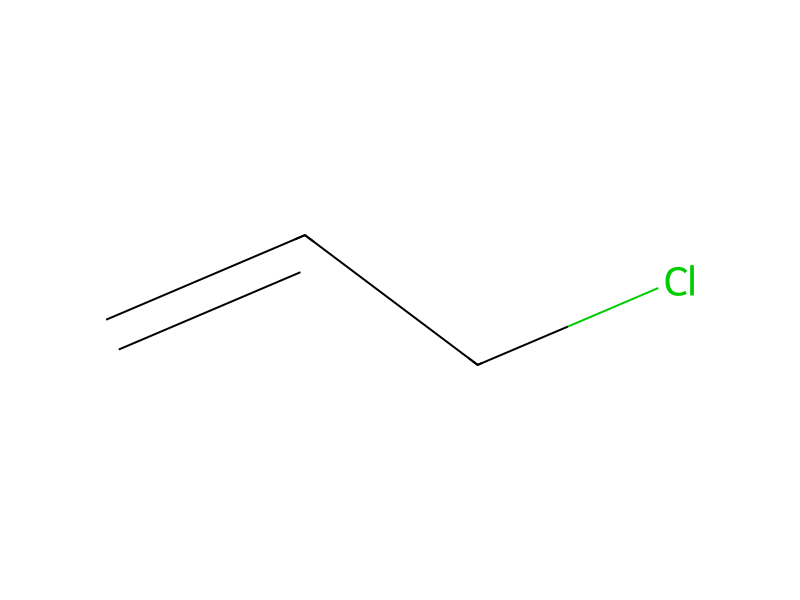

Product 1

Reagents, catalysts & solvents 4



Procedure
Table 1 shows that copper catalysts, especially copper chloride and copper acetate, and copper sulphate, are effective in catalyzing the hydrosilation of allyl chloride with triethylsilane, at 200° C. for 45 hours, yielding quantitatively 3-chloropropyltriethylsilane.
Sources & evidence
- ORD record
- ord-0c899d160f574f5793f8830562413118
- Source dataset
- uspto-grants-2004_03
- Patent number
- US06713644B1