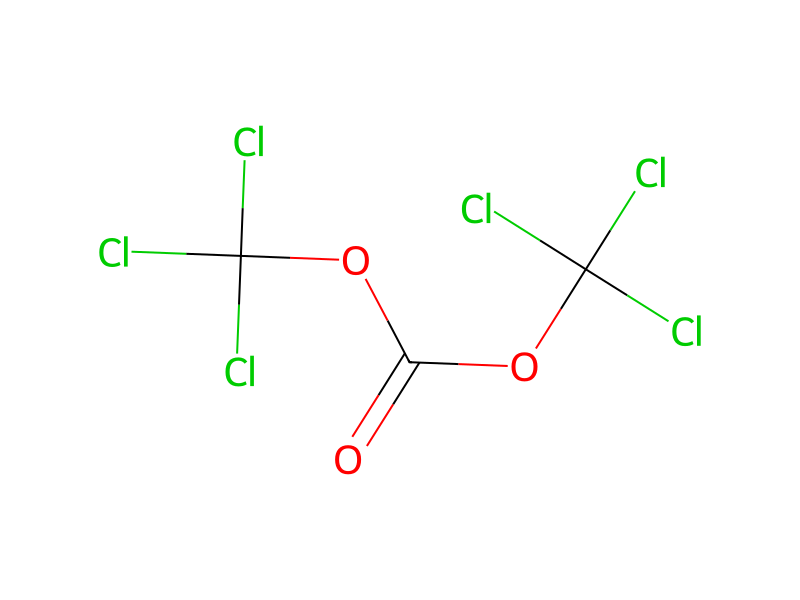
[NH2:1][C:2]1[C:18]([Cl:19])=[CH:17][CH:16]=[CH:15][C:3]=1[C:4]([NH:6][C:7]1[CH:12]=[CH:11][CH:10]=[C:9]([Br:13])[C:8]=1[CH3:14])=[O:5].[C:20](=O)(OC(Cl)(Cl)Cl)[O:21]C(Cl)(Cl)Cl>C1COCC1.C(Cl)Cl>[Br:13][C:9]1[C:8]([CH3:14])=[C:7]([N:6]2[C:4](=[O:5])[C:3]3[C:2](=[C:18]([Cl:19])[CH:17]=[CH:16][CH:15]=3)[NH:1][C:20]2=[O:21])[CH:12]=[CH:11][CH:10]=1A solution of 2-amino-N-(3-bromo-2-methylphenyl)-3-chlorobenzamide (780 mg, 2.30 mmol) in THF (20 mL) was treated with bis(trichloromethyl) carbonate (1.02 g, 3.45 mmol) and the solution stirred at room temperature for 21 h. The mixture was diluted with DCM and washed sequentially with saturated aqueous NaHCO3, water and brine. The organic phase was dried and concentrated. The residue was purified by column chromatography on silica gel (80 g), eluting with EtOAc-hexanes (gradient from 25-50%), to give 3-(3-bromo-2-methylphenyl)-8-chloroquinazoline-2,4(1H,3H)-dione as a white solid (800 mg, 95% yield). Mass spectrum m/z 365, 367 (M+H)+.