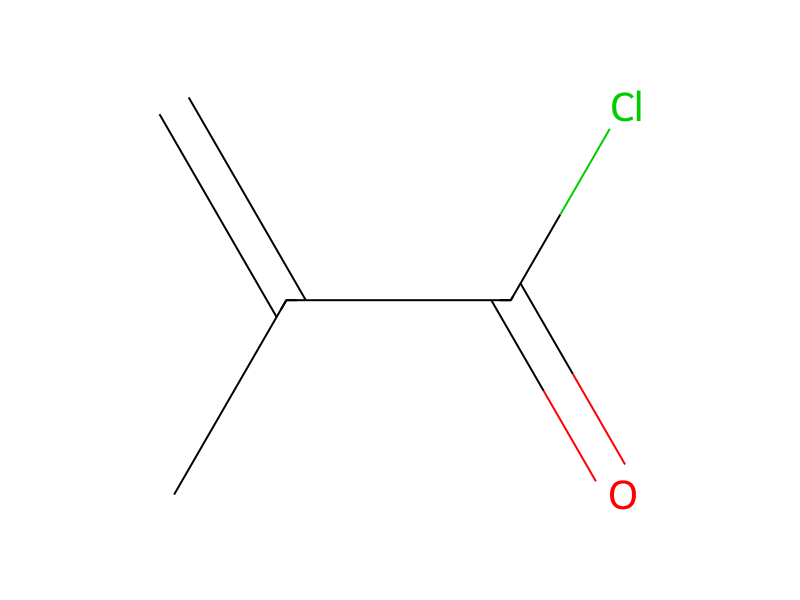
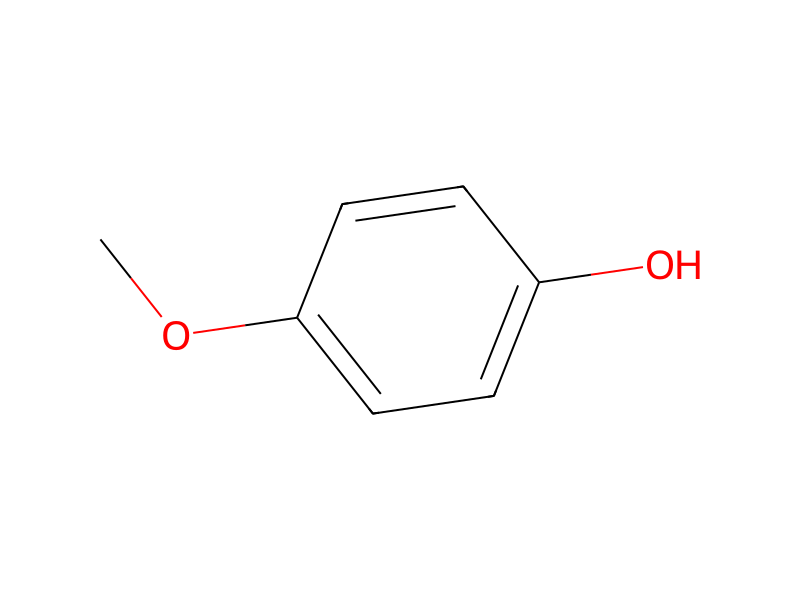
In a 2 L four-necked flask subjected replacement with nitrogen, 150 g of 3-hydroxy-2-butanone (made by Tokyo Chemical Industry Co., Ltd., purity: 95.0% or more) was put, and dissolved in 750 g of methylene chloride, and a stirrer, a thermometer and a Dimroth cooling tube were connected thereto. After the solution was stirred and cooled to about 5° C., 190 g of triethylamine and 80 mg of p-methoxyphenol were added thereto. While the solution was cooled to about 5° C. under stirring, 178 g of methacryloyl chloride was slowly added dropwise thereto over 4 hours, and further stirred for 30 minutes after completion of the dropwise addition to allow a reaction. The resulting reaction mixture was washed with 1 N-hydrochloric acid, a 10% sodium carbonate aqueous solution and saturated brine at room temperature, dried over anhydrous magnesium sulfate and separated by filtration to obtain a reaction crude liquid. The solvent of the reaction crude liquid was distilled off using an evaporator, 80 mg of p-methoxyphenol was added thereto and the resulting solution was distilled under reduced pressure to give 141 g of 3-oxobutane-2-yl methacrylate of 96.5% GC purity (yield: 53.1% based on 3-hydroxy-2-butanone).