Reaction equation

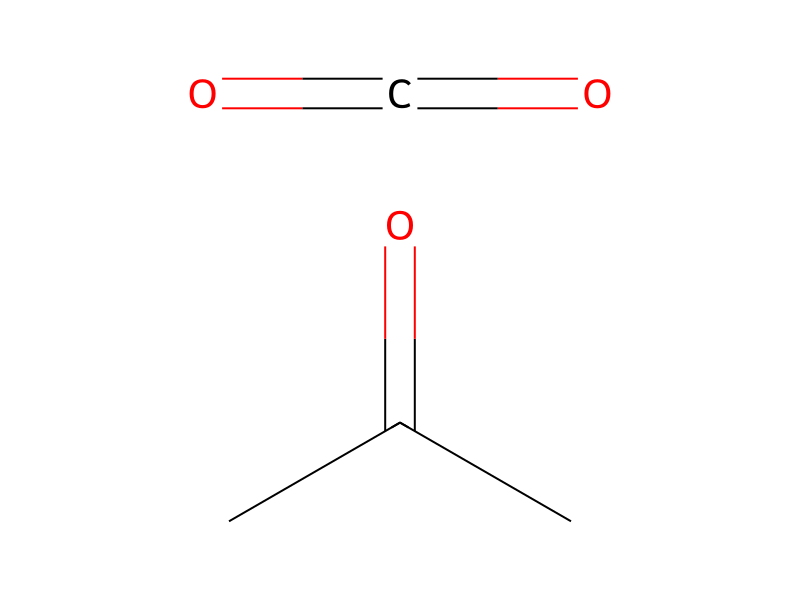
Br[C:2]1[CH:3]=[C:4]2[N:10]=[C:9]([C:11]3[CH:16]=[CH:15][CH:14]=[CH:13][C:12]=3[S:17][CH2:18][CH3:19])[N:8]([CH3:20])[C:5]2=[N:6][CH:7]=1.C1C[O:24][CH2:23]C1.C([Li])CCC.[Cl-].[NH4+]>C(=O)=O.CC(C)=O.CN(C=O)C>[CH2:18]([S:17][C:12]1[CH:13]=[CH:14][CH:15]=[CH:16][C:11]=1[C:9]1[N:8]([CH3:20])[C:5]2=[N:6][CH:7]=[C:2]([CH:23]=[O:24])[CH:3]=[C:4]2[N:10]=1)[CH3:19]Participants
7
Reactant 4




Product 1

Reagents, catalysts & solvents 2

Procedure
To a mixture of 6-bromo-2-(2-ethylsulfanylphenyl)-3-methyl-3H-imidazo[4,5-b]pyridine (2 g) and THF (60 ml), n-butyllithium (1.6 M in hexane) (4.3 ml) was added dropwise with cooling in dry-ice-acetone bath. The mixture was stirred for 30 minutes, and then DMF (2.2 ml) was poured. The mixture was heated to room temperature, and then saturated aqueous ammonium chloride solution was poured, and extracted with ethyl acetate. The organic layer was dried over sodium sulfate, and concentrated under reduced pressure. The resulting residue was subjected to silica gel column chromatography to give 189 mg of 2-(2-ethylsulfanylphenyl)-3-methyl-3H-imidazo[4,5-b]pyridin-6-carbaldehyde (hereinafter referred to as Present Compound 51).
Workup
- additionwas added dropwise
- extractionextracted with ethyl acetate
- dry with materialThe organic layer was dried over sodium sulfate
- concentrationconcentrated under reduced pressure
Sources & evidence
- ORD record
- ord-da4e649f47994be1a096b4a46e9ebbe6
- Source dataset
- uspto-grants-2014_10
- Patent number
- US08853238B2
Linked notes
Loading…