Reaction equation

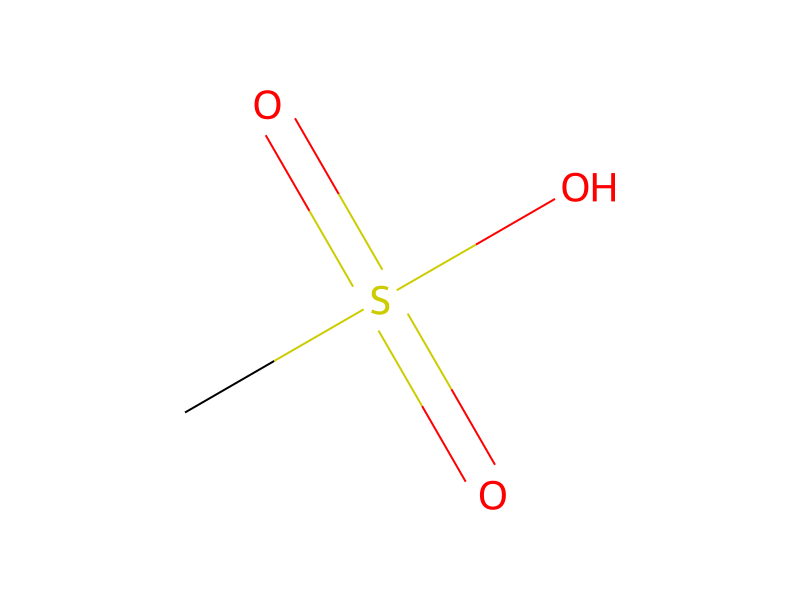
[C:1](PCC1C(CPC(C)(C)C)=CC=CC=1)(C)(C)C.CS(O)(=O)=O.[C:24]([O-:44])(=[O:43])[CH2:25][CH2:26][CH2:27][CH2:28][CH2:29][CH2:30][CH2:31]/[CH:32]=[CH:33]\[CH2:34][C@@H:35]([CH2:37][CH2:38][CH2:39][CH2:40][CH2:41][CH3:42])[OH:36]>CC([O-])=O.CC([O-])=O.[Pd+2]>[CH3:1][O:43][C:24](=[O:44])[CH2:25][CH2:26][CH2:27][CH2:28][CH2:29][CH2:30][CH2:31]/[CH:32]=[CH:33]\[CH2:34][C@@H:35]([CH2:37][CH2:38][CH2:39][CH2:40][CH2:41][CH3:42])[OH:36]Participants
5
Reactant 3


Product 1

Reagents, catalysts & solvents 1

Procedure
Pd(OAc)2 (0.45 mg, 0.002 mmol) and α,α′-di-tert-butylphosphino-o-xylene (4 mg, 0.01 mmol) were dissolved in 4 mL of either one of the solvents of Table 5. Subsequently, methanesulfonic acid (1.3 μL, 0.02 mmol) and ricinoleate (1 mmol, 338 μL) were added. The reaction was allowed to proceed at the temperature and time as indicated in Table 5. The reaction mixtures were cooled down to room temperature and analyzed by means of GC. The results are summarized in Table 5.
Workup
- customThe reaction mixtures
Sources & evidence
- ORD record
- ord-12e0930a249d43f49be52732320dcaeb
- Source dataset
- uspto-grants-2014_10
- Patent number
- US08853434B2
Linked notes
Loading…