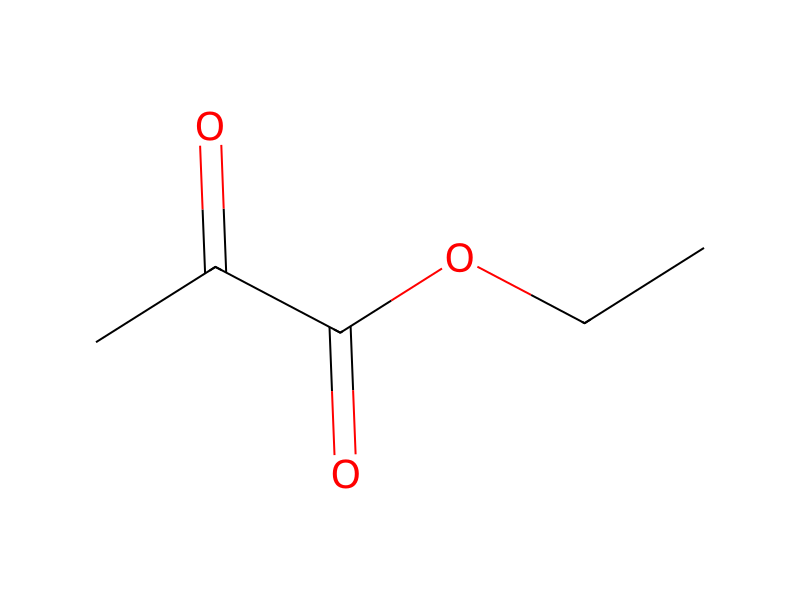
To a solution of ethyl pyruvate (20.22 g, 174.1 mmol) in ethanol (150 mL) was added t-butyl hydrazine hydrochloride (21.7 g, 174 mmol) and N,N-diisopropylethyl amine (33.4 mL, 192 mmol). After stirring at reflux for 18 hours, the reaction was cooled and the volatiles were removed under reduced pressure. The resultant golden oil was taken up in 300 mL ethyl acetate and washed with 200 mL water and 300 mL saturated aqueous sodium bicarbonate. The organic layer was dried over sodium sulfate, filtered and concentrated to yield (E)-ethyl 2-(2-tert-butylhydrazono)propanoate (23.1 g) as a clear pale yellow oil. +APCI (M+H) 187.3; 1H NMR (400 MHz, CDCl3, δ): 5.51 (br. s., 1H), 4.25 (q, J=7.2 Hz, 2H), 1.89 (s, 3H), 1.32 (t, J=7.1 Hz, 3H), 1.28 (s, 9H).