Ammonium Chloride → (4'-{1-Ethyl-1-[3-methyl-4-(4,4,4-trifluoro-3-hydroxy-3-trifluoromethyl-butyl)-phenyl]-propyl}-2'-methyl-biphenyl-4-yl)acetic acid methyl ester
HRID 546889
Reaction equation

[CH3:1][O:2][C:3](=[O:12])[CH2:4][C:5]1[CH:10]=[CH:9][C:8](Br)=[CH:7][CH:6]=1.C1(P(C2CCCCC2)C2C=CC=CC=2C2C(OC)=CC=CC=2OC)CCCCC1.P([O-])([O-])([O-])=O.[K+].[K+].[K+].[CH2:50]([C:52]([C:71]1[CH:76]=[CH:75][C:74]([CH2:77][CH2:78][C:79]([C:85]([F:88])([F:87])[F:86])([OH:84])[C:80]([F:83])([F:82])[F:81])=[C:73]([CH3:89])[CH:72]=1)([C:55]1[CH:60]=[CH:59][C:58](B2OC(C)(C)C(C)(C)O2)=[C:57]([CH3:70])[CH:56]=1)[CH2:53][CH3:54])[CH3:51].[Cl-].[NH4+]>C1(C)C=CC=CC=1.C([O-])(=O)C.[Pd+2].C([O-])(=O)C.O>[CH3:1][O:2][C:3](=[O:12])[CH2:4][C:5]1[CH:10]=[CH:9][C:8]([C:58]2[CH:59]=[CH:60][C:55]([C:52]([CH2:53][CH3:54])([C:71]3[CH:76]=[CH:75][C:74]([CH2:77][CH2:78][C:79]([OH:84])([C:85]([F:87])([F:88])[F:86])[C:80]([F:83])([F:82])[F:81])=[C:73]([CH3:89])[CH:72]=3)[CH2:50][CH3:51])=[CH:56][C:57]=2[CH3:70])=[CH:7][CH:6]=1Participants
9
Reactant 5
 HCID 25517Ammonium Chloride
 HCID 62657Potassium Phosphate, Tribasic
 HCID 316783Methyl 2-(4-bromophenyl)acetate
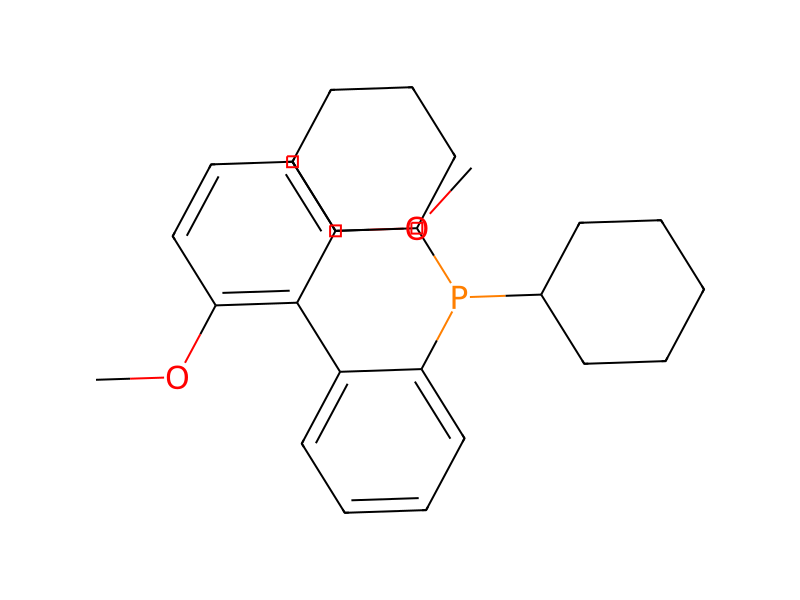 HCID 112698722-Dicyclohexylphosphino-2',6'-dimethoxybiphenyl
 HCID 577090734-(4-{1-Ethyl-1-[3-methyl-4-(4,4,5,5-tetramethyl-[1,3,2]dioxaborolan-2-yl)-phenyl]-propyl}-2-methyl-phenyl)-1,1,1-trifluoro-2-trifluoromethyl-butan-2-ol



