Acetic Anhydride → 3,4-Diacetoxy-1-butene
Reaction equation

[O:1]1[CH2:5][CH:2]1[CH:3]=[CH2:4].[C:6]([O:9]C(=O)C)(=[O:8])[CH3:7].C(N(CC)CC)C.C[O:21][CH2:22][CH2:23]OCCOC>>[C:6]([O:9][CH:2]([CH2:5][O:1][C:22](=[O:21])[CH3:23])[CH:3]=[CH2:4])(=[O:8])[CH3:7]Participants
5

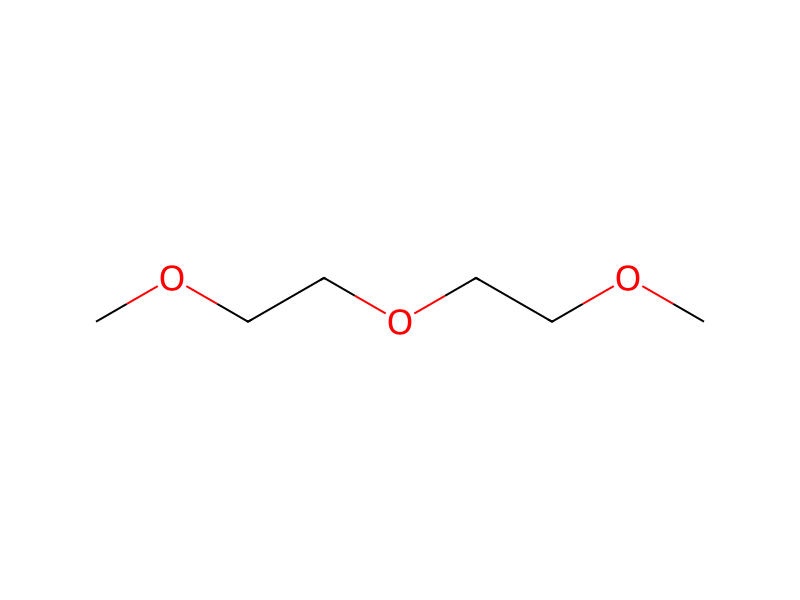



Conditions
- Temperature
- 125 °C
Procedure
A 300-mL autoclave was charged with 40 mL (0.50 mol) of 3,4-epoxy-1-butene, 63.2 g (0.62 mol) acetic anhydride, 4.06 g (0.041 mol) of triethylamine and 4.2 mL of diglyme. The autoclave was purged with nitrogen twice, then the vessel was pressurized to 8 bars (100 psig) with nitrogen. The agitator was started and an initial sample was taken. The mixture was heated to 125° C. During the course of 2.5 hrs, samples were taken every 15 min for analysis by GC. GC analysis of the crude mixture after 2.5 hrs revealed a 92% yield of 3,4-diacetoxy-1-butene with a 92% selectivity and 0.36% 3,4-epoxy-1-butene. The reaction was observed to be first order in 3,4-epoxy-1-butene with a first order rate constant of 0.037 min-1 (Table A). This example demonstrates the catalytic effect of the tertiary amine alone.