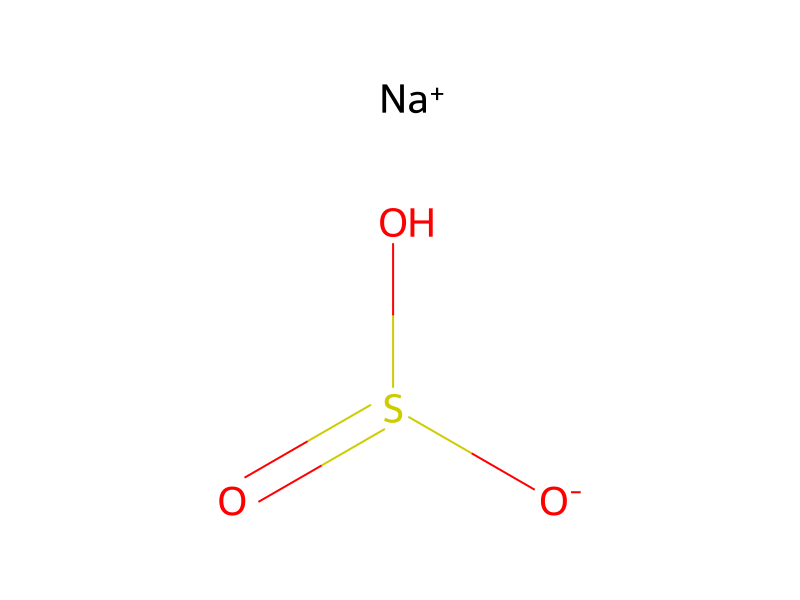
C([O-])(=O)C.[K+].[Br:6]Br.[CH2:8]([N:11]1[C:15]([CH2:16][CH:17]2[CH2:22][CH2:21][O:20][CH2:19][CH2:18]2)=[CH:14][C:13]([C:23]#[N:24])=[N:12]1)[CH2:9][CH3:10].S([O-])(O)=O.[Na+]>C(O)(=O)C>[Br:6][C:14]1[C:13]([C:23]#[N:24])=[N:12][N:11]([CH2:8][CH2:9][CH3:10])[C:15]=1[CH2:16][CH:17]1[CH2:22][CH2:21][O:20][CH2:19][CH2:18]1Potassium acetate (3.93 g, 40.0 mmol) and bromine (3.58 g, 22.4 mmol) were sequentially added to a solution of 1-propyl-5-(tetrahydro-2H-pyran-4-ylmethyl)-1H-pyrazole-3-carbonitrile (3.98 g, 16 mmol) in acetic acid (32 mL). The reaction was stirred for 40 hours at room temperature. Saturated aqueous sodium hydrogensulfite was added until the reaction became colorless. Most of the acetic acid was removed under reduced pressure, and 2M aqueous sodium carbonate was added. A precipitate formed, was isolated by filtration, washed with water, and dried on the vacuum filter funnel to provide 4.91 g of 4-bromo-1-propyl-5-(tetrahydro-2H-pyran-4-ylmethyl)-1H-pyrazole-3-carbonitrile as a white solid.