Reaction equation

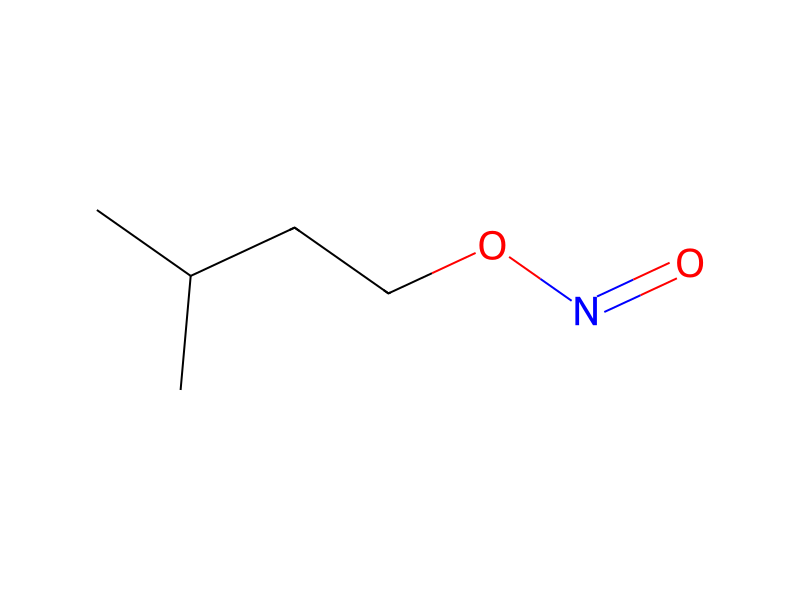
[NH2:1][C:2]1[C:3]([CH3:10])=[C:4]([CH:7]=[CH:8][CH:9]=1)[CH2:5][OH:6].C(O[C:15](=[O:17])[CH3:16])(=O)C.[C:18]([O-:21])(=O)[CH3:19].[K+].[N:23](OCCC(C)C)=O.C1OCCOCCOCCOCCOCCOC1>C(Cl)(Cl)Cl>[C:18]([N:1]1[C:2]2[C:3](=[C:4]([CH2:5][O:6][C:15](=[O:17])[CH3:16])[CH:7]=[CH:8][CH:9]=2)[CH:10]=[N:23]1)(=[O:21])[CH3:19]Participants
7
Reactant 5




Product 1

Reagents, catalysts & solvents 1

Procedure
3-Amino-2-methyl benzyl alcohol (0.82 g, 5.98 mmol), acetic anhydride (1.68 mL, 17.8 mmol), potassium acetate (1.75 g, 17.8 mol), isoamyl nitrite (1.82 mL, 13.7 mmol) and 18-crown-6 (79 mg, 0.3 mmol) in 25 mL CHCl3 were reacted as described in EP99/07620. The crude product was purified by flash chromatography with a gradient from 0-35% ethyl acetate in hexanes to yield acetic acid 1-acetyl-1H-indazol-4-ylmethyl ester.
Workup
- customThe crude product was purified by flash chromatography with a gradient from 0-35% ethyl acetate in hexanes
Sources & evidence
- ORD record
- ord-b5aad79e57074a91ad948f17d033bbb6
- Source dataset
- uspto-grants-2011_05
- Patent number
- US07947728B1
Linked notes
Loading…