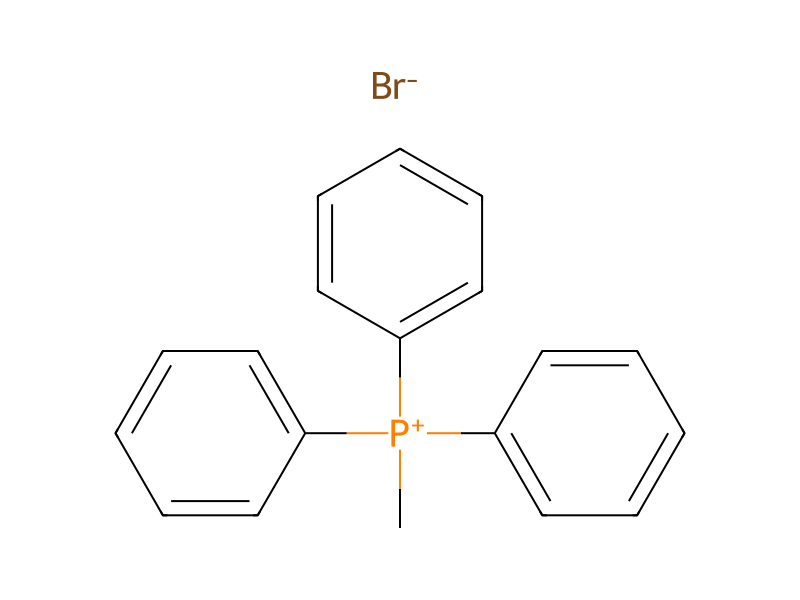
[CH3:1]C(C)([O-])C.[K+].COC.O=[C:11]1[C:20]2[C:15](=[CH:16][CH:17]=[CH:18][CH:19]=2)[N:14]([NH:21][C:22]([O:24][C:25]([CH3:28])([CH3:27])[CH3:26])=[O:23])[CH2:13][CH2:12]1>O1CCCC1.[Br-].C[P+](C1C=CC=CC=1)(C1C=CC=CC=1)C1C=CC=CC=1>[CH2:1]=[C:11]1[C:20]2[C:15](=[CH:16][CH:17]=[CH:18][CH:19]=2)[N:14]([NH:21][C:22]([O:24][C:25]([CH3:28])([CH3:27])[CH3:26])=[O:23])[CH2:13][CH2:12]13.96 ml of a 1N solution of potassium tert-butoxide in tetrahydrofuran, 1.45 g of methyltriphenylphosphonium bromide and 30 ml of dimethyl ether are placed in a 150 ml three-necked flask equipped with a magnetic stirrer and placed under an inert atmosphere. The reaction mixture is heated at reflux for 1 h. After returning to ambient temperature, 0.7 g of tert-butyl 4-oxo-3,4-dihydro-2H-quinoline-1-carbamate is added and the reaction mixture is heated at reflux for 1.5 h and then concentrated under reduced pressure. Water and ethyl acetate are added. The organic phase is washed with water, dried over magnesium sulfate and concentrated under reduced pressure. The residue is chromatographed on silica gel eluted with dichloromethane. 0.556 g of tert-butyl 4-methylene-3,4-dihydro-2H-quinoline-1-carbamate is obtained.