HomeMCPWorkbenchSkills
HomeWorkbenchNotificationsMe
llms.txt · MCP GuidePrivacy Policy · Terms of Service · Supportv1.8.3
  1. Home
  2. /Reaction

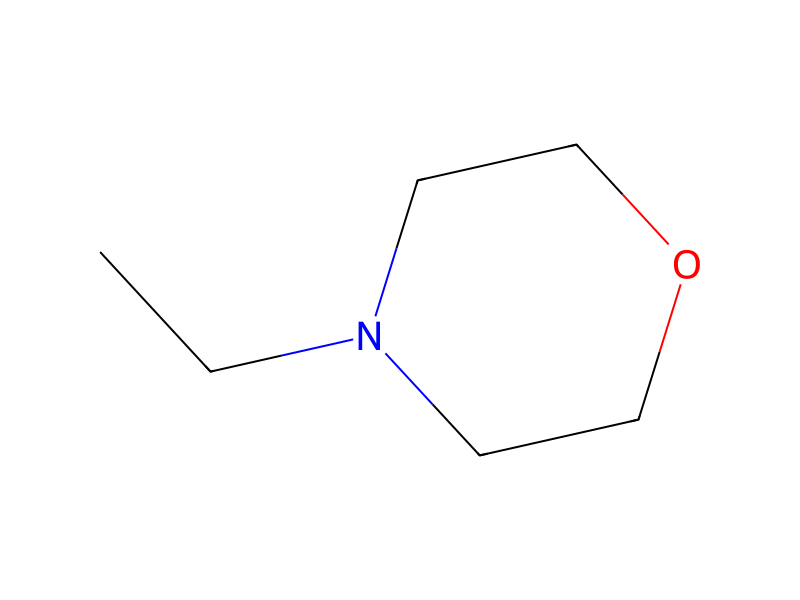
Ethylmorpholine → 1-methyl-N-(1-naphthalenylmethyl)-5-oxoprolinamide

HRID 554129
Print

Reaction equation

HRID 554129 reaction equation
[CH3:1][N:2]1[C:9](=[O:10])[CH2:8][CH2:7][C@H:3]1[C:4]([OH:6])=O.Cl.CN(C)CCCN=C=NCC.ON1C2C=CC=CC=2N=N1.C(N1CCOCC1)C.[C:41]1([CH2:51][NH2:52])[C:50]2[C:45](=[CH:46][CH:47]=[CH:48][CH:49]=2)[CH:44]=[CH:43][CH:42]=1>ClCCl>[CH3:1][N:2]1[C:9](=[O:10])[CH2:8][CH2:7][C@H:3]1[C:4]([NH:52][CH2:51][C:41]1[C:50]2[C:45](=[CH:46][CH:47]=[CH:48][CH:49]=2)[CH:44]=[CH:43][CH:42]=1)=[O:6]
ParticipantsProcedureWorkupSources & evidenceReaction notes

Participants

7

Reactant 5

HCID 7525EthylmorpholineHCID 83551-NaphthalenemethanamineHCID 757711-HydroxybenzotriazoleHCID 27239391,3-Propanediamine, N'-(ethylcarbonimidoyl)-N,N-dimethyl-, monohydrochlorideHCID 18649403(2S)-1-methyl-5-oxopyrrolidine-2-carboxylic acid

Product 1

HCID 67460091
1-methyl-N-(1-naphthalenylmethyl)-5-oxoprolinamide

Reagents, catalysts & solvents 1

HCID 6344DichloromethaneSolvent

Procedure

1-methyl-5-oxoproline (0.050 g, 0.35 mmol, prepared in a manner analogous to that described above for example 51), N-(3-dimethylaminopropyl)-N′-ethylcarbodiimide hydrochloride (0.081 g, 0.42 mmol), 1-hydroxybenzotriazole (0.057 g, 0.42 mmol), N-ethyl morpholine (0.166 ml, 1.05 mmol) and (1-naphthalenylmethyl)amine were combined in dichloromethane (˜8 ml) and the mixture was stirred for ˜20 hrs at room temperature. The mixture was then washed with 2M aqueous hydrogen chloride (5 ml) and the organic layer was separated using a phase separator. The organic layer was washed with saturated aqueous sodium hydrogen carbonate, separated as before, and then evaporated. The residue was purified by mass-directed automated HPLC to give pure 1-methyl-N-(1-naphthalenylmethyl)-5-oxoprolinamide as a white solid (0.062 g).

Workup

  1. washThe mixture was then washed with 2M aqueous hydrogen chloride (5 ml)
  2. customthe organic layer was separated
  3. washThe organic layer was washed with saturated aqueous sodium hydrogen carbonate
  4. customseparated as before, and
  5. customthen evaporated
  6. customThe residue was purified

Sources & evidence

ORD record
ord-a380b0866e184bcb9e2515ba9b82ce2d
Source dataset
uspto-grants-2011_11
DOI
10.6084/m9.figshare.5104873.v1
Patent number
US08048907B2

Reaction notes

On this pageParticipantsProcedureWorkupSources & evidenceReaction notes

