Reaction equation
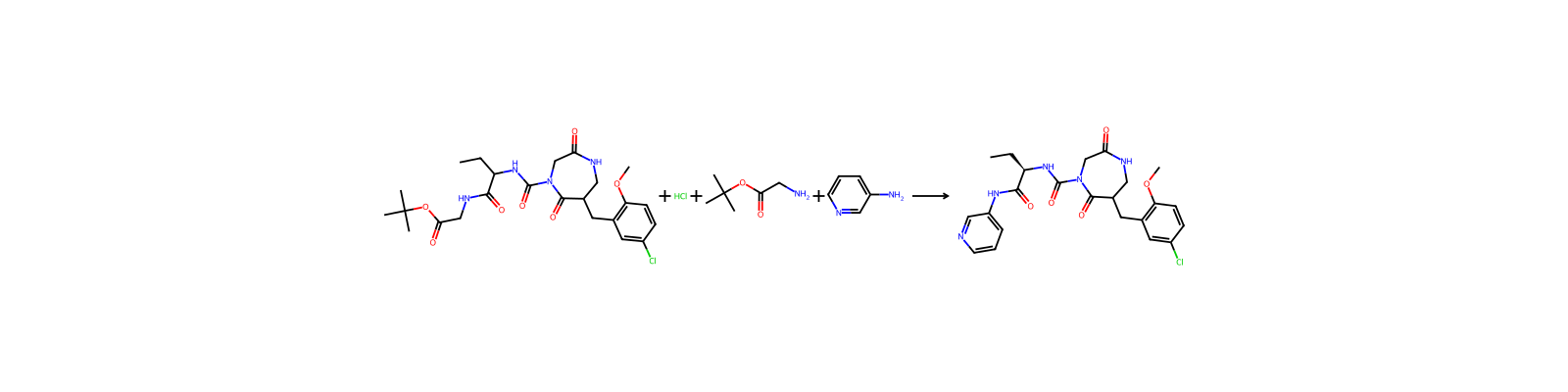
[Cl:1][C:2]1[CH:3]=[CH:4][C:5]([O:35][CH3:36])=[C:6]([CH:34]=1)[CH2:7][CH:8]1[C:14](=[O:15])[N:13]([C:16]([NH:18][CH:19]([CH2:31][CH3:32])[C:20]([NH:22][CH2:23][C:24](OC(C)(C)C)=O)=[O:21])=[O:17])[CH2:12][C:11](=[O:33])[NH:10][CH2:9]1.Cl.C(OC(=O)CN)(C)(C)C.[NH2:47][C:48]1C=NC=[CH:52][CH:53]=1>>[Cl:1][C:2]1[CH:3]=[CH:4][C:5]([O:35][CH3:36])=[C:6]([CH:34]=1)[CH2:7][CH:8]1[C:14](=[O:15])[N:13]([C:16]([NH:18][C@@H:19]([C:20]([NH:22][C:23]2[CH:24]=[N:47][CH:48]=[CH:53][CH:52]=2)=[O:21])[CH2:31][CH3:32])=[O:17])[CH2:12][C:11](=[O:33])[NH:10][CH2:9]1Participants
4
Reactant 3


Product 1

Procedure
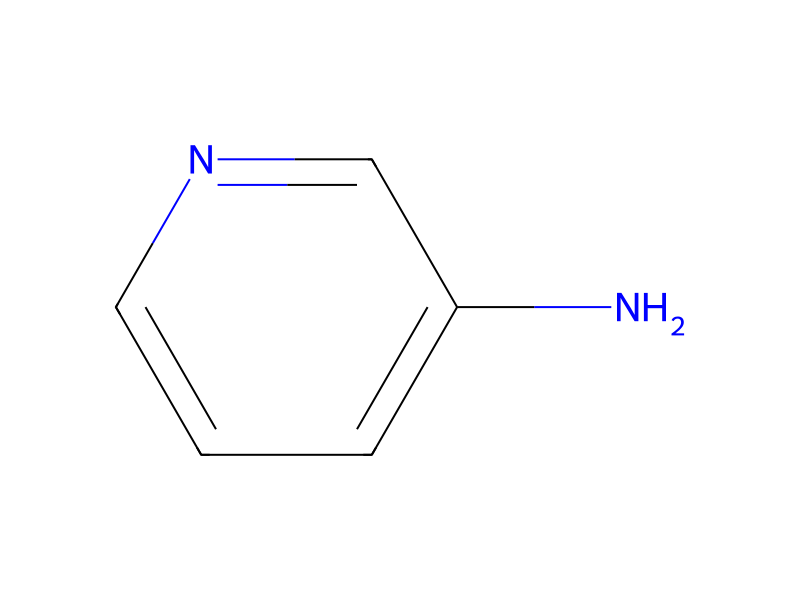
Instead of the starting material compound of Example 220, that is, glycine tert-butyl ester hydrochloride, 3-aminopyridine was used for the similar procedure as in Example 220 to obtain the title compound.
Sources & evidence
- ORD record
- ord-de3a802e26084b81b40004ae7fe423db
- Source dataset
- uspto-grants-2011_11
- Patent number
- US08049006B2
Linked notes
Loading…