HomeMCPSkillsWorkbenchOpenChem
HomeWorkbenchNotificationsMe
llms.txt · skill.md · MCP GuidePrivacy Policy · Terms of Service · Supportv1.8.5
  1. Home
  2. /Reaction

Ammonia → HCID 178519929, compound

HRID 55491
Print

Reaction equation

[C:1]([OH:5])(=O)[CH2:2]O.[Cl:6][C:7]1[N:12]=[C:11]([NH2:13])[C:10]([NH2:14])=[CH:9][CH:8]=1.Cl.N>>[Cl:6][C:7]1[N:12]=[C:11]2[NH:13][C:2]([CH2:1][OH:5])=[N:14][C:10]2=[CH:9][CH:8]=1
ParticipantsConditionsProcedureWorkupSources & evidenceReaction notes

Participants

5

Reactant 4

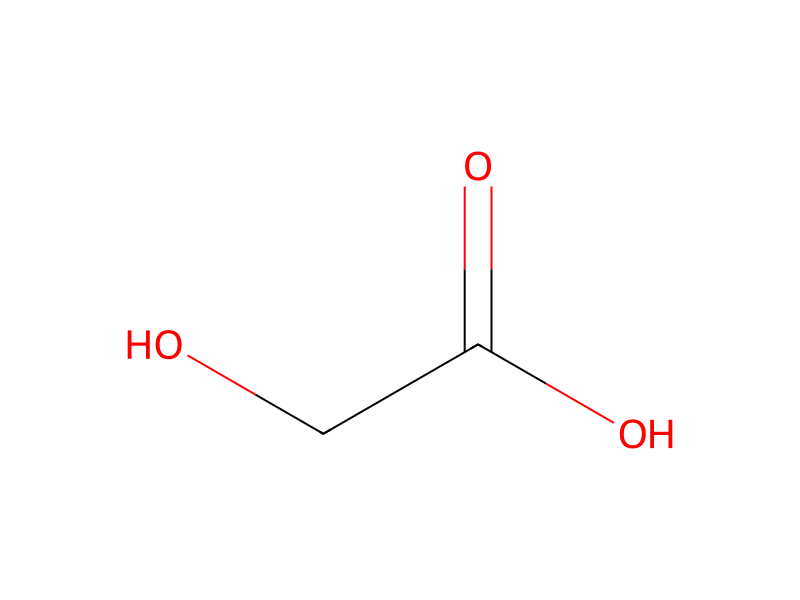
HCID 222AmmoniaHCID 313Hydrochloric AcidHCID 757Glycolic AcidHCID 106306156-Chloropyridine-2,3-diamine

Product 1

HCID 178519929HCID 178519929, compoundYield 83.4%

Conditions

Temperature
150 °C

Procedure

6.60 g of glycolic acid were added to 5.00 g of 6-chloro-2,3-diaminopyridine (prepared as described in Preparation 42), and the resulting mixture was stirred at 150° C. for 4 hours. At the end of this time, the reaction mixture was treated with 3N aqueous hydrochloric acid and subsequently made alkaline by the addition of aqueous ammonia. The aqueous mixture was evaporated to dryness, and the resulting residue was purified by column chromatography through silica gel, using a gradient elution method, with mixtures of ethyl acetate and methanol in ratios ranging from 1:0 to 10:1 by volume as the eluent. The product was then crystallized by trituration with ethyl acetate, to give 5.33 g of the title compound, melting at 224°-226° C.

Workup

  1. customThe aqueous mixture was evaporated to dryness
  2. customthe resulting residue was purified by column chromatography through silica gel
  3. washa gradient elution method
  4. customThe product was then crystallized by trituration with ethyl acetate

Sources & evidence

ORD record
ord-635b4ec7e35d4c8e9528b9b32b08a17f
Source dataset
uspto-grants-1997_04
DOI
10.6084/m9.figshare.5104873.v1
Patent number
US05624935

Reaction notes

On this pageParticipantsConditionsProcedureWorkupSources & evidenceReaction notes