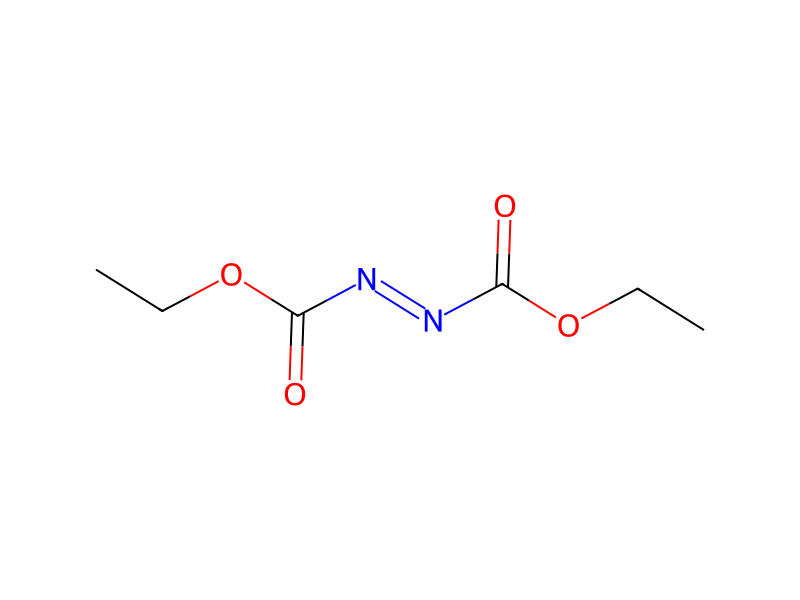
[CH:1]12[CH2:10][CH:5]3[CH2:6][CH:7]([CH2:9][CH:3]([CH2:4]3)[CH:2]1[NH:11][C:12](=[O:20])[C:13]1[CH:18]=[CH:17][C:16]([OH:19])=[CH:15][CH:14]=1)[CH2:8]2.C1(P(C2C=CC=CC=2)C2C=CC=CC=2)C=CC=CC=1.[CH2:40]([O:42][C:43]([CH:45]1[CH2:50][CH2:49][CH:48](O)[CH2:47][CH2:46]1)=[O:44])[CH3:41].CCOC(/N=N/C(OCC)=O)=O>C1COCC1>[CH2:40]([O:42][C:43]([CH:45]1[CH2:50][CH2:49][CH:48]([O:19][C:16]2[CH:15]=[CH:14][C:13]([C:12](=[O:20])[NH:11][CH:2]3[CH:3]4[CH2:9][CH:7]5[CH2:6][CH:5]([CH2:10][CH:1]3[CH2:8]5)[CH2:4]4)=[CH:18][CH:17]=2)[CH2:47][CH2:46]1)=[O:44])[CH3:41]To a stirred solution of N-adamantan-2-yl-4-hydroxy-benzamide (6 g, 22.11 mmol) in dry THF (100 mL) was added triphenyl phosphine (8.7 g, 33.17 mmol) and 4-hydroxy cyclo-hexane carboxylic acid ethyl ester (4.57 g, 26.53 mmol). The reaction mixture was cooled to 0° C. and DEAD (5.22 mL, 33.17 mmol) was added dropwise from an addition funnel over a period of 30 min. The reaction was gradually brought to room temperature and stirring continued for 48 hrs. The solvent was removed under vacuum and ether (100 mL) was added and cooled to 0° C. The solid formed was filtered off and the clear filtrate concentrated and purified by column chromatography (Gyan-flash). Desired fractions were collected and the solvent evaporated. The residue was crystallised from diethyl ether and filtered off affording 3 g (32%) of 4-[4-(adamantan-2-ylcarbamoyl)-phenoxy]-cyclohexane carboxylic acid ethyl ester as a solid.