HomeMCPWorkbenchSkills
HomeWorkbenchNotificationsMe
llms.txt · MCP GuidePrivacy Policy · Terms of Service · Supportv1.8.0
  1. Home
  2. /Reaction

1,3-Dibromopropane → N-[3-(3-Bromo-propoxy)-phenyl]-acetamide

HRID 55605
Notes
Print preview

Reaction equation

HRID 55605 reaction equation
[C:1]([NH:4][C:5]1[CH:6]=[C:7]([OH:11])[CH:8]=[CH:9][CH:10]=1)(=[O:3])[CH3:2].C(=O)([O-])[O-].[K+].[K+].[Br:18][CH2:19][CH2:20][CH2:21]Br>ClCCl>[C:1]([NH:4][C:5]1[CH:6]=[C:7]([CH:8]=[CH:9][CH:10]=1)[O:11][CH2:21][CH2:20][CH2:19][Br:18])(=[O:3])[CH3:2]
ParticipantsProcedureWorkupSources & evidenceReaction notes

Participants

5

Reactant 3

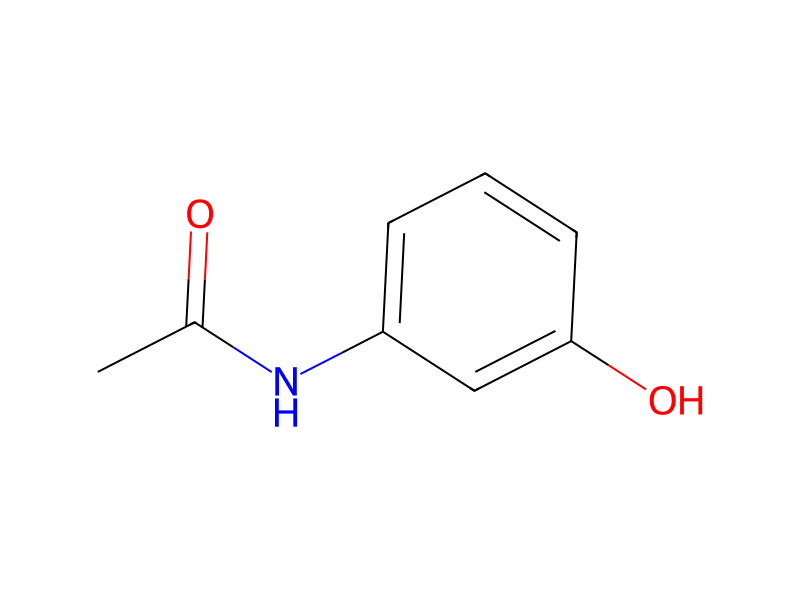
HCID 80011,3-DibromopropaneHCID 11430Potassium CarbonateHCID 121243-Hydroxyacetanilide

Product 1

HCID 6420330N-[3-(3-Bromo-propoxy)-phenyl]-acetamide

Reagents, catalysts & solvents 1

HCID 6344DichloromethaneSolvent

Procedure

To 3-acetamidophenol (15.1 g) in dichloromethane (500 ml, dry) was added potassium carbonate (20 g) and then 1,3-dibromopropane (30 g). The resulting mixture was heated at reflux for 6 hours and then overnight at room temperature. After an additional 24 hours, the reaction was complete. Solids were filtered from the reaction mixture, and the solution was concentrated to an oil, which was purified to yield 3-(3-acetamidophenoxy)propyl bromide, 13.2 g.

Workup

  1. temperatureThe resulting mixture was heated
  2. temperatureat reflux for 6 hours
  3. customovernight
  4. customat room temperature
  5. filtrationSolids were filtered from the reaction mixture
  6. concentrationthe solution was concentrated to an oil, which
  7. customwas purified

Sources & evidence

ORD record
ord-1cd804972d384cae9a5d08e029bf40a5
Source dataset
uspto-grants-1997_04
DOI
10.6084/m9.figshare.5104873.v1
Patent number
US05624927

Reaction notes

Loading…

On this pageParticipantsProcedureWorkupSources & evidenceReaction notes