HomeMCPWorkbenchSkills
HomeWorkbenchNotificationsMe
llms.txt · MCP GuidePrivacy Policy · Terms of Service · Supportv1.8.3
  1. Home
  2. /Reaction

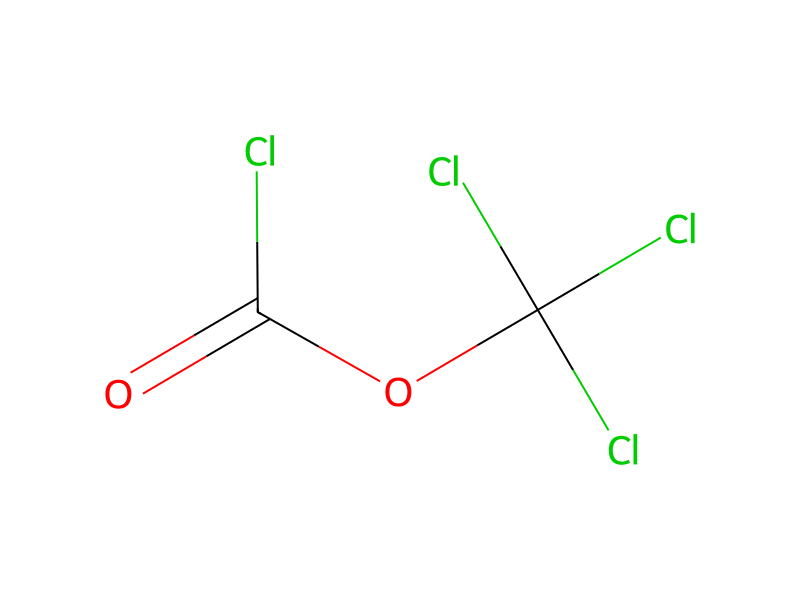
Diphosgene → Methyl 4-cyanocyclohexanecarboxylate

HRID 557745
Print

Reaction equation

HRID 557745 reaction equation
[CH3:1][O:2][C:3]([CH:5]1[CH2:10][CH2:9][CH:8]([C:11](=O)[NH2:12])[CH2:7][CH2:6]1)=[O:4].O=C(Cl)OC(Cl)(Cl)Cl>P(OC)(OC)(OC)=O.C(OCC)(=O)C>[CH3:1][O:2][C:3]([CH:5]1[CH2:10][CH2:9][CH:8]([C:11]#[N:12])[CH2:7][CH2:6]1)=[O:4]
ParticipantsProcedureWorkupSources & evidenceReaction notes

Participants

5

Reactant 2

HCID 10426DiphosgeneHCID 15105949Methyl 4-carbamoylcyclohexanecarboxylate

Product 1

HCID 11389613Methyl 4-cyanocyclohexanecarboxylateYield 36%

Reagents, catalysts & solvents 2

HCID 8857Ethyl AcetateSolventHCID 10541Trimethyl PhosphateSolvent

Procedure

To a mixture of 4-carbamoyl-cyclohexanecarboxylic acid methyl ester (2.14 g, 11.6 mmol) in trimethyl phosphate (14 mL) cooled in an ice bath was dripped in diphosgene (2.24 g 11.6 mmol) and the reaction was allowed to warm to room temperature over 2 hr. The material was diluted with ethyl acetate (200 mL) and washed with an aqueous sodium bicarbonate (saturated, 200 mL) and brine (200 mL), dried over sodium sulfate, and concentrated as a clear oil. The oil was triturated with hexanes to give 4-cyano-cyclohexanecarboxylic acid methyl ester (687 mg 36%) as a clear oil. LCMS calcd for C9H13NO2 (m/e) 167, obsd 168 (M+H).

Workup

  1. temperaturecooled in an ice bath
  2. washwashed with an aqueous sodium bicarbonate (saturated, 200 mL) and brine (200 mL)
  3. dry with materialdried over sodium sulfate
  4. concentrationconcentrated as a clear oil
  5. customThe oil was triturated with hexanes

Sources & evidence

ORD record
ord-5140b9ca90294c00bb24354e3aac0513
Source dataset
uspto-grants-2011_11
DOI
10.6084/m9.figshare.5104873.v1
Patent number
US08058299B2

Reaction notes

On this pageParticipantsProcedureWorkupSources & evidenceReaction notes