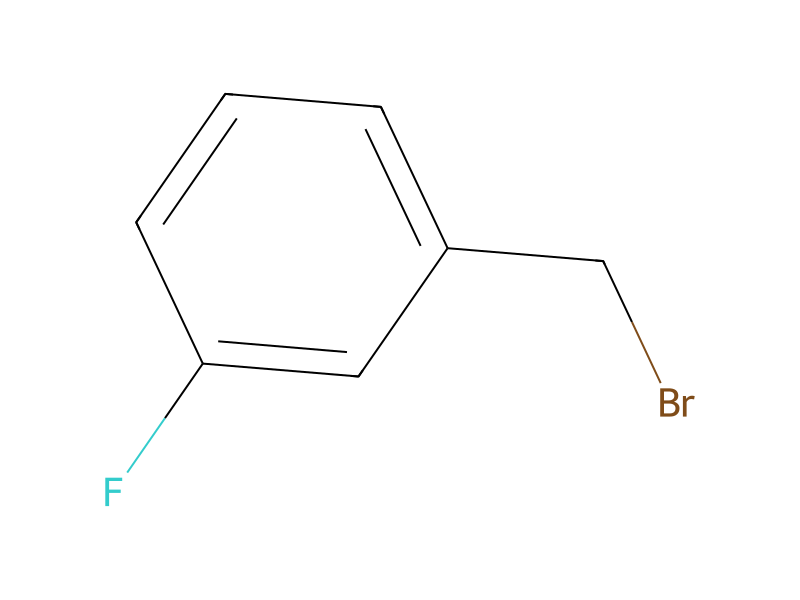
C1(P(C2C=CC=CC=2)C2C=CC=CC=2)C=CC=CC=1.[F:20][C:21]1[CH:22]=[C:23]([CH:26]=[CH:27][CH:28]=1)[CH2:24]Br.CO[CH:31](OC)[C:32]1[CH:33]=[C:34]([CH:38]=[CH:39][C:40]=1[O:41][CH3:42])[C:35](O)=[O:36].C[O-].[Na+].C[N:49](C)C=O>CO>[F:20][C:21]1[CH:22]=[C:23](/[CH:24]=[CH:31]/[C:32]2[CH:33]=[C:34]([CH:38]=[CH:39][C:40]=2[O:41][CH3:42])[C:35]([NH2:49])=[O:36])[CH:26]=[CH:27][CH:28]=1N,N-Dimethylformamide (5 mL) was added to 1.0 g of polymer-supported triphenylphosphine (produced by Fluka, CAS registry number 39319-11-4) and 1.1 g of 3-fluorobenzyl bromide, and the mixture was stirred for 10 hours at 80° C. The reaction mixture was filtered, and then washed with N,N-dimethylformamide, dichloromethane, and methanol. The residue was dried under reduced pressure to prepare polymer-supported (3-fluorobenzyl)triphenylphosphonium bromide. This product (111 mg) was added to a methanol solution (2 mL) of 20 mg of 3-formyl-4-methoxybenzamide obtained in step B. After 62 μL of 28% sodium methoxide was added, the reactor was sealed, and the mixture was stirred for 4 hours at 70° C. The reaction mixture was purified by thin-layer chromatography to obtain 4 mg (13%) of 3-[(E)-2-(3-fluorophenyl)-vinyl]-4-methoxybenzamide.