HomeMCPWorkbenchSkills
HomeWorkbenchNotificationsMe
llms.txt · MCP GuidePrivacy Policy · Terms of Service · Supportv1.8.3
  1. Home
  2. /Reaction

Hydrochloric Acid → Ethyl 7-(4-tert-butylphenyl)-2,3-dihydro-1-benzoxepine-4-carboxylate

HRID 566003
Print

Reaction equation

HRID 566003 reaction equation
[C:1]([C:5]1[CH:10]=[CH:9][C:8](Br)=[CH:7][CH:6]=1)([CH3:4])([CH3:3])[CH3:2].C([Li])CCC.COB(OC)OC.Cl.Br[C:26]1[CH:27]=[CH:28][C:29]2[O:35][CH2:34][CH2:33][C:32]([C:36]([O:38][CH2:39][CH3:40])=[O:37])=[CH:31][C:30]=2[CH:41]=1.B([O-])([O-])OC1C=CC(C(C)(C)C)=CC=1.C(=O)([O-])[O-].[K+].[K+]>C(OCC)C.C1(C)C(CCO)=CC=CC=1.O.O>[C:1]([C:5]1[CH:10]=[CH:9][C:8]([C:26]2[CH:27]=[CH:28][C:29]3[O:35][CH2:34][CH2:33][C:32]([C:36]([O:38][CH2:39][CH3:40])=[O:37])=[CH:31][C:30]=3[CH:41]=2)=[CH:7][CH:6]=1)([CH3:4])([CH3:3])[CH3:2]
ParticipantsProcedureWorkupSources & evidenceReaction notes

Participants

11

Reactant 7

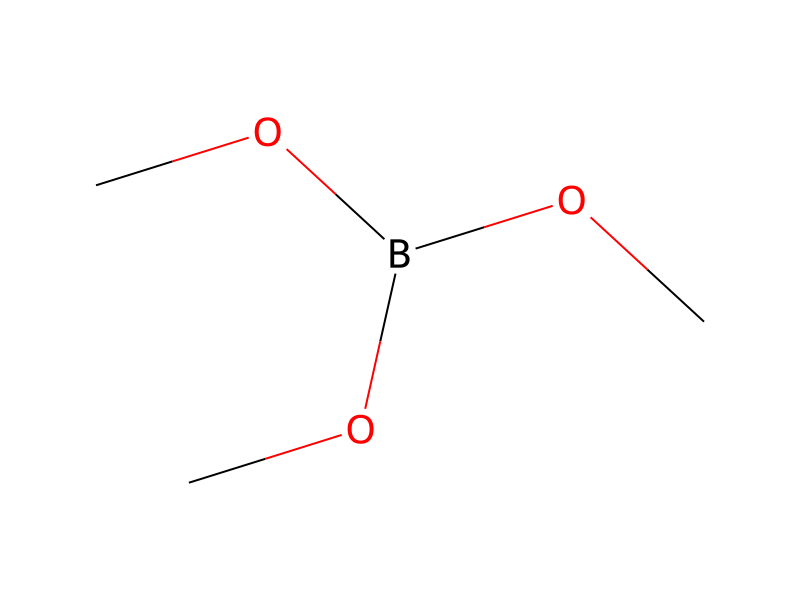
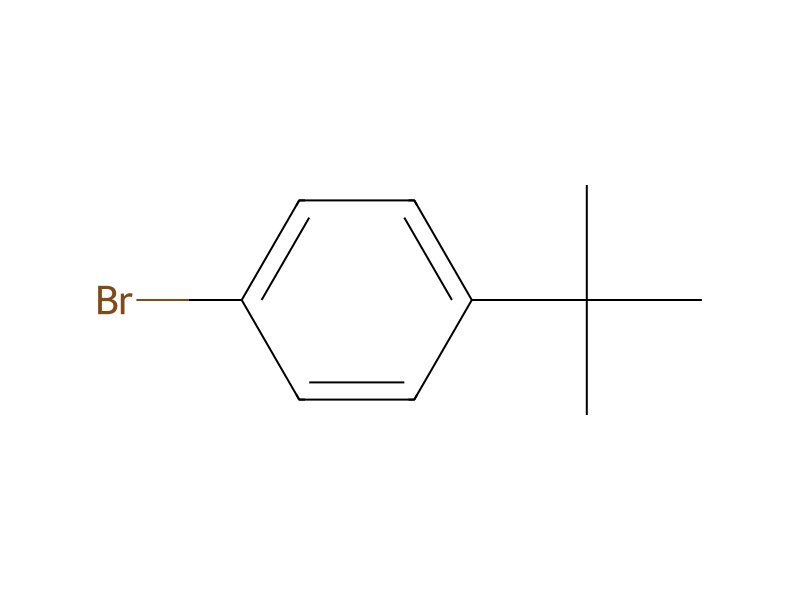
HCID 313Hydrochloric AcidHCID 8470Trimethyl borateHCID 11430Potassium CarbonateHCID 775951-Bromo-4-tert-butylbenzeneHCID 10709089Ethyl 7-bromo-2,3-dihydro-1-benzoxepine-4-carboxylateHCID 867561654-Tert-butylphenyl borate
HCID 178418339
Butyllithium

Product 1

HCID 18472239Ethyl 7-(4-tert-butylphenyl)-2,3-dihydro-1-benzoxepine-4-carboxylateYield 85.5%

Reagents, catalysts & solvents 3

HCID 962WaterSolventHCID 3283Diethyl EtherSolvent2×HCID 66602552Toluene-ethanol waterSolvent

Procedure

Under argon atmosphere, to a solution of 4-tert-butylbromobenzene (10.0 g) in diethylether (50 ml) was added n-butyllithium (1.6M, hexane solution) (32.3 ml) at −78° C., and the mixture was stirred for 1 hour. To the reaction mixture was dropwise added trimethyl boric acid (16 ml) in diethylether (30 ml), and the mixture was warmed to room temperature and stirred at room temperature 16 hours. To the reaction mixture were added 1N hydrochloric acid (50 ml) and water, and the mixture was extracted with ethyl acetate. The organic layer was washed with saturated sodium chloride solution, dried with magnesium sulfate and concentrated under reduced pressure. The residue was separated and purified with column chromatography (ethyl acetate/hexane=1:9) to give crude 4-tert-phenyl borate (0.84 g) as pale yellow oil. Under argon atmosphere, a solution of ethyl 7-bromo-2,3-dihydro-1-benzoxepine-4-carboxylate (500 mg), the above crude 4-tert-butylphenyl borate (0.59 g) and potassium carbonate (0.47 g) in toluene-ethanol-water (20-2-2 ml) was stirred at room temperature for 1 hour. To the reaction mixture was added tetrakistriphenylphosphine palladium (0.06 g), and the mixture was refluxed for 20 hours and cooled to room temperature. The organic layer was washed with saturated sodium chloride solution, dried with magnesium sulfate and concentrated under reduced pressure. The residue was separated and purified with column chromatography (ethyl acetate/hexane=1:19) to give ethyl 7-(4-tert-butyl-phenyl)-2,3-dihydro-1-benzoxepine-4-carboxylate (504 mg) as colorless oil.


Workup

  1. stirringstirred at room temperature 16 hours
  2. extractionthe mixture was extracted with ethyl acetate
  3. washThe organic layer was washed with saturated sodium chloride solution
  4. dry with materialdried with magnesium sulfate
  5. concentrationconcentrated under reduced pressure
  6. customThe residue was separated
  7. custompurified with column chromatography (ethyl acetate/hexane=1:9)
  8. customto give crude 4-tert-phenyl borate (0.84 g) as pale yellow oil
  9. temperaturethe mixture was refluxed for 20 hours
  10. temperaturecooled to room temperature
  11. washThe organic layer was washed with saturated sodium chloride solution
  12. dry with materialdried with magnesium sulfate
  13. concentrationconcentrated under reduced pressure
  14. customThe residue was separated
  15. custompurified with column chromatography (ethyl acetate/hexane=1:19)

Sources & evidence

ORD record
ord-4f099f8b108b454d99901787f9114898
Source dataset
uspto-grants-2001_01
DOI
10.6084/m9.figshare.5104873.v1
Patent number
US06172061B2

Reaction notes

On this pageParticipantsProcedureWorkupSources & evidenceReaction notes