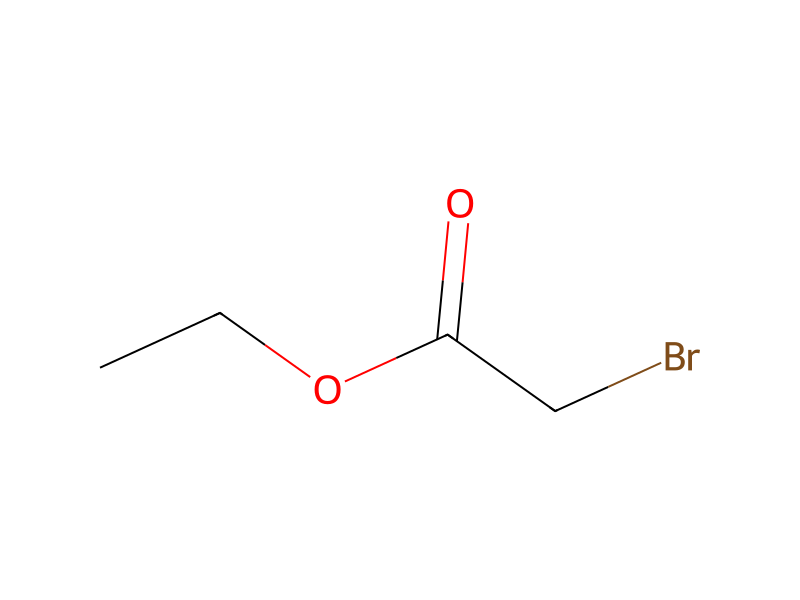
Cl[C:2]1[C:7]([Cl:8])=[C:6]([OH:9])[CH:5]=[CH:4][C:3]=1[C:10]([C:13]1[C:22]2[C:17](=[CH:18][CH:19]=[CH:20][CH:21]=2)[CH:16]=[CH:15][CH:14]=1)=[N:11][OH:12].[H-].[Na+].Br[CH2:26][C:27]([O:29][CH2:30][CH3:31])=[O:28].O>CN(C=O)C>[CH2:30]([O:29][C:27](=[O:28])[CH2:26][O:9][C:6]1[CH:5]=[CH:4][C:3]2[C:10]([C:13]3[C:22]4[C:17](=[CH:18][CH:19]=[CH:20][CH:21]=4)[CH:16]=[CH:15][CH:14]=3)=[N:11][O:12][C:2]=2[C:7]=1[Cl:8])[CH3:31]To a solution of 3 g of (2,3-dichloro-4-hydroxyphenyl)(1-naphthyl)methanone oxime in 25 ml of DMF, 0.54 g of NaH is added under N2. The mixture is heated to an internal temperature of 100° C. for one hour and 20 minutes. The reaction mixture is cooled to room temperature and 1.65 g of ethyl bromoacetate is added dropwise. The mixture is stirred for 18 hours, water is added and the product is extracted with ethyl acetate. The ethyl acetate extract is washed with water, dried over Na2SO4 and evaporated to give ethyl{[7-chloro-3-(1-napthyl)-1,2-benzisoxazol-6-yl]oxy}acetate, mp 75°-85° C.