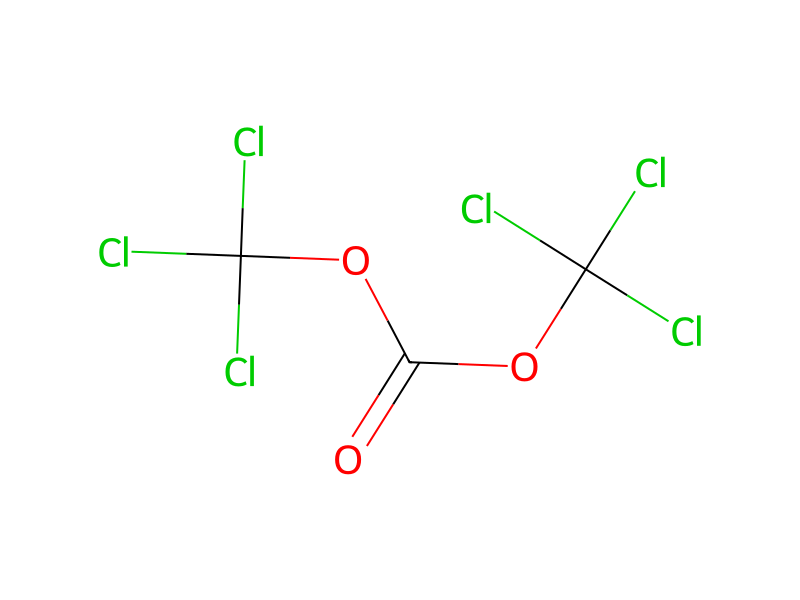
To a round bottom flask containing (2R,3R)-2-((2-chloropyrimidin-4-yl)amino)-3-methoxybutan-1-ol (1.68 g, 3.63 mmol) and a stir bar under nitrogen was added DCM (18 mL). The resulting reaction mixture cooled to 0° C. in a brine/ice bath. To this cold solution was then added triphosgene (0.59 g, 1.99 mmol) followed by the addition of 2,6-dimethylpyridine (2 mL, 17.0 mmol). Resulting reaction mixture allowed to stir 30 min at 0° C. The reaction mixture was diluted with DCM and water and allowed to stir 1 hr at room temperature. The phases partitioned and the aqueous phase extracted with DCM. Organic phases were combined, washed with water, brine, dried (Na2SO4), filtered and concentrated onto silica gel. Silica gel column chromatography (EtOAc/Heptane 0 to 100%) provided (R)-3-(2-chloropyrimidin-4-yl)-4-((R)-1-methoxyethyl)oxazolidin-2-one (145 mg, 0.56 mmol, 15% yield) as a white crystalline. 1H NMR (400 MHz, CDCl3) δ 1.09 (d, J=6.26 Hz, 3H) 3.45 (s, 3H) 4.15 (qd, J=6.39, 4.30 Hz, 1H) 4.39-4.47 (m, 1H) 4.60 (dd, J=9.39, 2.74 Hz, 1H) 5.02 (dt, J=8.61, 3.52 Hz, 1H) 8.17 (d, J=5.87 Hz, 1H) 8.48 (d, J=5.87 Hz, 1H). LCMS m/z 258.1 (M+H)+, Rt 0.69 min.